Breathe Like You Mean It: How This Simple Habit Changed My Recovery Game
Breathing is something we all do, yet few of us do it well. In the rush of daily life, shallow breaths and forgotten pauses can quietly drain our energy and cloud our focus. After a period of burnout and slow recovery, I discovered that intentional breathing wasn’t just calming—it was transformative. Science backs this: controlled breathing activates the parasympathetic nervous system, easing stress and supporting mental resilience. What surprised me most? How quickly it helped me regain balance—no pills, no drastic changes, just breath. It wasn’t a miracle cure, but a quiet return to presence, one inhale at a time.
The Hidden Struggle: When Recovery Feels Out of Reach
Many women between 30 and 55 carry invisible loads—managing households, careers, caregiving, and personal expectations—all while trying to maintain a sense of self. In the midst of these responsibilities, it’s easy to overlook how exhaustion accumulates not just in the body, but in the breath. A common yet rarely discussed symptom of prolonged stress is dysfunctional breathing: rapid, shallow chest breaths that replace the deep, rhythmic diaphragmatic breathing nature intended. This shift may seem minor, but its effects are far-reaching. When breathing becomes restricted, oxygen delivery to the brain and muscles decreases, contributing to mental fog, low energy, and emotional reactivity.
Imagine returning to normal activities after an illness or a particularly demanding season—perhaps recovering from surgery, navigating hormonal shifts, or simply emerging from months of emotional strain. Despite outward appearances of being “back to normal,” something feels off. Concentration wavers, small frustrations trigger disproportionate reactions, and rest doesn’t seem to restore. These are not signs of weakness; they are signals of a nervous system still in survival mode. The breath, often overlooked, plays a central role in this lingering imbalance. Without conscious attention, the body continues to operate as if under threat, reinforcing fatigue rather than allowing recovery to take root.
For many, the realization that breathing habits could be part of the problem comes only after trying other solutions—supplements, stricter diets, or increased sleep—with limited success. What’s missing isn’t more effort, but a fundamental reset: the ability to shift out of constant activation and into a state where healing can occur. This shift begins not with grand gestures, but with noticing. Noticing how often the breath is held during a busy morning, how tension in the shoulders correlates with shortened inhales, or how a sigh of relief instinctively follows a deep exhalation. These small cues point to a powerful truth: the breath is both a reflection of our inner state and a tool to change it.
Why Breathing Isn’t Just Automatic: The Science Behind Intentional Breath
At first glance, breathing appears to be entirely automatic—something the body handles without thought, like digestion or circulation. Yet it holds a unique distinction among bodily functions: it operates unconsciously, but can also be brought under voluntary control. This dual nature makes it a rare bridge between the autonomic nervous system and conscious awareness. When we choose to slow or deepen our breath, we send direct signals to the brain about safety, which in turn influences heart rate, blood pressure, and hormone levels.
The key player in this process is the vagus nerve, the longest cranial nerve in the body and a primary component of the parasympathetic nervous system. Often referred to as the “rest-and-digest” system, this network counteracts the stress-driven “fight-or-flight” response governed by the sympathetic nervous system. Controlled, rhythmic breathing stimulates the vagus nerve, triggering a cascade of calming effects. Research has shown that paced breathing increases heart rate variability (HRV), a scientifically validated marker of resilience and adaptability. Higher HRV is associated with better emotional regulation, improved focus, and faster recovery from stress.
One of the most significant impacts of intentional breathing is its effect on cortisol, the primary stress hormone. Chronic stress leads to elevated cortisol levels, which over time can impair immune function, disrupt sleep, and contribute to anxiety. Studies have demonstrated that just a few minutes of slow, deep breathing per day can lead to measurable reductions in cortisol. This isn’t a placebo effect—it’s physiology responding to a clear message: the danger has passed. The body, once signaled, begins to shift gears, redirecting energy from survival to restoration.
Another important mechanism is the balance between oxygen and carbon dioxide. While oxygen is essential, it’s the level of carbon dioxide that primarily regulates breathing rate. Over-breathing, or hyperventilation, even in mild forms, can reduce carbon dioxide levels too quickly, leading to symptoms like dizziness, tingling, and increased anxiety. Controlled breathing helps maintain this balance, ensuring optimal gas exchange and calming the nervous system. Understanding these processes demystifies the practice—it’s not mystical, but biological. Every deliberate breath is a signal to the body that it can let go.
My Turning Point: From Skeptic to Believer
Like many, I approached breathing exercises with skepticism. After months of feeling mentally drained and physically depleted—unable to concentrate, snapping at loved ones, and waking up unrested despite adequate sleep—I had tried numerous solutions. I adjusted my diet, added supplements, and even experimented with meditation apps. Some helped, but nothing produced a consistent shift. Then, during a routine check-up, my doctor suggested a simple practice: take five minutes each day to focus solely on slow, deep breathing. “It’s not a cure,” she said, “but it might help your body remember how to rest.” I left the office doubtful, yet willing to try anything.
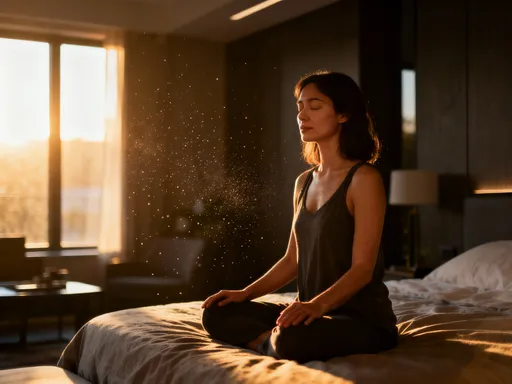
The first few attempts felt awkward. Sitting still, focusing on my breath, I noticed how quickly my mind wandered—to grocery lists, unanswered emails, the laundry pile. My breath was shallow, and I found myself unconsciously holding it during moments of concentration. But I persisted, practicing for just three to five minutes each morning. Within days, subtle changes emerged. I began to notice a sense of calm after each session, not dramatic, but real. One morning, before an important work meeting that I had been dreading, I used a simple technique: inhaling slowly through the nose, exhaling even more slowly through the mouth. To my surprise, my racing thoughts settled, and I entered the meeting with clarity I hadn’t felt in weeks.
That moment was a turning point. It wasn’t that the problem disappeared, but that I had a tool—one I could carry anywhere, use anytime, and rely on without cost or side effects. The more I practiced, the more I noticed its ripple effects: I slept more soundly, responded more patiently to my children, and felt less overwhelmed by daily demands. There was no single breakthrough, but a gradual reclamation of balance. What began as a medical suggestion became a daily act of self-care, as essential as brushing my teeth. It taught me that healing doesn’t always require complexity—sometimes, it begins with the simplest act of all.
The 4-7-8 Method: A Practical Tool That Actually Works
Among the many breathing techniques available, the 4-7-8 method stands out for its simplicity and effectiveness. Developed by Dr. Andrew Weil, this practice is based on ancient pranayama principles but designed for modern lives. The pattern is straightforward: inhale quietly through the nose for a count of four, hold the breath for a count of seven, then exhale completely through the mouth for a count of eight, making a soft “whoosh” sound. This cycle is repeated four times in a single session, though beginners may start with just two or three rounds.
What makes this method powerful is the extended exhalation. The longer out-breath activates the vagus nerve more strongly than the in-breath, sending a clear signal to the nervous system to relax. The seven-second hold allows for slight buildup of carbon dioxide, which further enhances the calming effect. While the specific counts may seem arbitrary, they create a rhythm that disrupts the pattern of rapid, shallow breathing common in stress. Within a minute or two, many users report a noticeable shift in their mental state—less tension, greater calm, and improved focus.
One of the greatest advantages of the 4-7-8 method is its accessibility. It requires no equipment, can be done anywhere—sitting at a desk, lying in bed, or waiting in a car—and takes less than two minutes to complete. For busy women juggling multiple roles, this brevity is essential. The key is consistency, not duration. Practicing just once or twice a day, especially during transitional moments—upon waking, before bed, or during a midday break—can yield significant benefits over time. Some find it helpful to pair the practice with an existing habit, such as after brushing teeth or while waiting for the kettle to boil.
It’s important to approach the technique with patience. The first few attempts may feel unnatural, and the breath hold can be challenging. That’s normal. The goal is not perfection, but presence. Over time, the body adapts, and the rhythm becomes more comfortable. Users often report improved sleep quality after just a week of regular practice, as the technique helps quiet the mind before bedtime. While not a substitute for medical treatment, the 4-7-8 method serves as a valuable complement to other wellness strategies, offering a reliable way to regain control when stress begins to build.
Box Breathing: Finding Focus in Chaos
Another highly effective technique is box breathing, a method widely used by military personnel, first responders, and athletes to maintain composure under pressure. Also known as square breathing, it follows a simple four-part pattern: inhale for four seconds, hold for four, exhale for four, and hold again for four—completing one “box.” Each phase is performed with equal duration, creating a balanced, meditative rhythm. Unlike the 4-7-8 method, which emphasizes relaxation through extended exhalation, box breathing is particularly effective for regaining focus and mental clarity during moments of overwhelm.
The strength of box breathing lies in its structure. The equal counts and pauses create a predictable pattern that occupies the mind, reducing the tendency to spiral into anxious thoughts. This makes it especially useful in high-pressure situations—before a difficult conversation, during a tense commute, or when managing a household crisis. By focusing on the count and the sensation of breath, the practitioner is gently pulled away from emotional reactivity and into the present moment. It’s not about suppressing emotions, but about creating space to respond thoughtfully rather than react impulsively.
Many women find this technique helpful during transitions—when switching from work mode to family time, or when managing unexpected disruptions. For example, a mother returning home after a long day at work might use box breathing for two minutes before entering the house, allowing herself to reset and arrive with greater presence. The practice takes only a few cycles to produce results, making it ideal for integration into a packed schedule. Like any skill, it improves with repetition. Over time, the body learns to associate the pattern with calm, making it easier to access even in moments of acute stress.
What sets box breathing apart is its versatility. It can be used discreetly in public, requires no special posture, and can be adjusted to fit individual comfort levels. Some may start with three-second counts and gradually increase to four or five as lung capacity and focus improve. The key is regular practice, not intensity. By treating it as a mental fitness exercise—much like strength training for the mind—users build resilience over time. It’s not about eliminating stress, but about changing the relationship to it.
Making It Stick: Weaving Breath Into Everyday Life
One of the biggest challenges in adopting any new habit is consistency. Many people begin breathing practices with enthusiasm but struggle to maintain them amid daily demands. The solution is not to add more to an already full schedule, but to anchor the practice to existing routines. These “habit stacking” moments—such as after waking, before brushing teeth, while waiting for coffee to brew, or during commercial breaks—provide natural opportunities to pause and breathe without adding pressure.
Another effective strategy is to use environmental cues. Placing a small note on the bathroom mirror, setting a gentle reminder on a phone, or associating the practice with a specific location—like sitting in the driver’s seat before starting the car—can help reinforce the behavior. The goal is not to achieve a perfect five-minute session every day, but to create regular touchpoints with the breath. Even 60 seconds of intentional breathing can shift the nervous system from stress to calm.
It’s also important to release the expectation of immediate results. Unlike quick fixes, breathing practices work cumulatively. The benefits—better sleep, improved patience, enhanced mental clarity—often emerge gradually, sometimes only noticeable in hindsight. Keeping a simple journal to note subtle changes can provide motivation. For example, writing down “felt less reactive today” or “slept more deeply” helps reinforce progress and build commitment.
Perfectionism is a common obstacle. Some may feel discouraged if they miss a day or struggle to focus. But consistency, not perfection, is what matters. The breath is always available, always forgiving. Each return to practice, no matter how brief, is a step toward greater resilience. Over time, these small moments accumulate into lasting change—not because they are dramatic, but because they are repeated.
Beyond Calm: Long-Term Rehabilitation Effects on Mind and Body
While the immediate effects of controlled breathing—reduced anxiety, improved focus, better sleep—are well-documented, the long-term benefits are even more profound. Sustained practice supports deeper rehabilitation of both mind and body. One of the most significant outcomes is improved emotional regulation. As the nervous system becomes more balanced, individuals report fewer emotional swings, greater patience, and increased capacity to handle difficult situations without becoming overwhelmed.
Neuroplasticity, the brain’s ability to reorganize and form new neural connections, is also enhanced by regular breathing exercises. Studies suggest that mindfulness-based breathing practices can increase gray matter density in areas associated with attention, emotional regulation, and self-awareness. This means that over time, the brain literally becomes better equipped to manage stress and maintain mental clarity. For women navigating midlife transitions—whether hormonal, professional, or relational—this kind of mental endurance is invaluable.
Physical health also benefits. Chronic stress contributes to inflammation, high blood pressure, and weakened immunity. By reducing the body’s stress response, controlled breathing helps mitigate these risks. Some research indicates that regular practice can support cardiovascular health, improve digestion, and even enhance recovery from physical illness or surgery. While breathing is not a replacement for medical treatment, it is a powerful adjunct—one that empowers individuals to take an active role in their healing.
Perhaps the most enduring benefit is the sense of agency it fosters. In a world where so much feels beyond control, the breath remains a constant. It is always available, always free, and always within reach. Learning to use it intentionally is not about achieving a perfect state of calm, but about cultivating a relationship with oneself—one built on attention, care, and respect. It is a daily affirmation that wellness is not a destination, but a practice.
Your Breath, Your Anchor
The journey from burnout to balance does not require grand transformations. Often, it begins with the smallest, most overlooked act: a single conscious breath. What started as a simple experiment—five minutes of focused breathing—became a cornerstone of recovery, offering clarity, calm, and resilience without dependency on external fixes. The techniques shared here—4-7-8 breathing, box breathing, and mindful integration—are not quick cures, but lifelong tools. They require no special equipment, no financial investment, and no dramatic lifestyle changes. They ask only for presence, patience, and practice.
For women navigating the complexities of modern life, the breath offers a quiet refuge—a way to reclaim energy, restore focus, and nurture emotional well-being. It is not about eliminating stress, but about changing how we respond to it. Each breath is a choice: to react from habit, or to respond from awareness. Over time, these choices accumulate, shaping not just how we feel, but who we become. Healing is not always loud or dramatic. Sometimes, it is as simple as inhaling deeply, exhaling fully, and remembering that we are still here—alive, capable, and in control of one of the most powerful forces we possess.