Why Pilates Almost Failed Me — And How It Actually Saved My Health
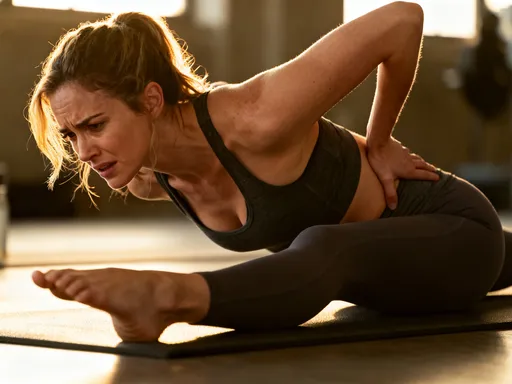
I started Pilates to fix my back pain, but at first, it made things worse. I pushed too hard, used wrong form, and ignored early warning signs. Later, I realized I wasn’t alone — many people stumble into the same traps. What seemed like a gentle fix was actually a minefield without proper guidance. But when done right, Pilates became my earliest defense against deeper health issues. This is what I learned the hard way.
The Misleading Promise of “Gentle Exercise”
Many people turn to Pilates with the belief that it is a universally safe form of movement, especially for those recovering from injury or managing chronic pain. After all, it is often described as low-impact, mindful, and accessible. However, the assumption that “gentle” automatically means “risk-free” is dangerously misleading. While Pilates does not involve high-intensity cardio or explosive movements, its effectiveness and safety depend almost entirely on precision, alignment, and individualized instruction. Without these, even subtle misalignments can place undue stress on the spine, joints, and connective tissues, potentially worsening existing conditions rather than alleviating them.
Consider the spine, a structure designed for both mobility and stability. In Pilates, many exercises emphasize core engagement, spinal articulation, and controlled movement patterns. When performed correctly, these actions support postural balance and neuromuscular coordination. But when executed with poor form—such as overarching the lower back during the “hundred” or tucking the pelvis excessively in roll-ups—the spine is subjected to shear forces it was not meant to bear. For individuals with undiagnosed disc issues, sacroiliac joint dysfunction, or muscular imbalances, these seemingly harmless movements can accelerate degeneration or trigger acute flare-ups.
One documented case involved a 48-year-old woman who began a Pilates routine to relieve chronic neck tension. She experienced increased stiffness and radiating discomfort after several weeks. Upon assessment by a physical therapist, it was discovered that her attempts to “engage the core” were actually causing excessive activation of her upper trapezius and cervical muscles—a classic compensation pattern. Instead of stabilizing her midsection, she was reinforcing poor postural habits, ultimately increasing strain on her neck and shoulders. This highlights a critical point: low impact does not eliminate risk when movement mechanics are flawed.
The core principle of Pilates—controlled, precise motion—requires a level of body awareness that most beginners do not possess. Unlike high-intensity workouts where fatigue signals the end of a set, Pilates often feels deceptively easy, leading practitioners to believe they are performing exercises correctly simply because they aren’t exhausted. Yet, the absence of sweat or breathlessness does not equate to effectiveness or safety. The danger lies in the quiet accumulation of micro-stresses that, over time, can manifest as persistent pain or joint dysfunction. Therefore, understanding that gentleness in exercise does not negate the need for accuracy is the first step toward avoiding injury and unlocking Pilates’ true preventive potential.
The Hidden Risk: Ignoring Early Pain Signals
One of the most common yet overlooked pitfalls in beginning any exercise regimen, including Pilates, is the tendency to dismiss early discomfort as a necessary part of progress. Many people operate under the cultural mantra of “no pain, no gain,” mistakenly applying it even to mindful, rehabilitative practices. In reality, pain is not a badge of effort—it is a signal from the nervous system indicating that something is wrong. The critical distinction lies in recognizing the difference between muscular fatigue and joint, nerve, or connective tissue pain. Confusing the two can delay the detection of underlying health issues and turn a healing practice into a source of harm.
Muscular fatigue, such as a burning sensation during core work or mild soreness after a session, is typically temporary and localized. It results from metabolic buildup in overworked muscles and usually resolves within a day or two. In contrast, joint pain often feels sharp, deep, or positional—worsening with specific movements or sustained postures. Nerve-related discomfort may present as tingling, numbness, or electric-like sensations radiating down a limb. These are not signs of exertion; they are warning signs of mechanical irritation or compression, possibly involving spinal discs, peripheral nerves, or ligamentous instability.
When such signals are ignored, the body adapts by reinforcing compensatory movement patterns. For example, someone with early-stage lumbar disc degeneration might feel a subtle twinge when rolling up from a supine position. If they continue performing the movement without modification, surrounding muscles—such as the hip flexors or lower back extensors—take over to protect the compromised area. Over time, this compensation leads to muscular imbalances, reduced joint mobility, and increased load on already vulnerable structures. What began as a minor irritation can evolve into chronic dysfunction, requiring more intensive intervention down the line.
From a preventive health perspective, this underscores the importance of listening to the body’s early feedback. Research in musculoskeletal medicine suggests that early detection of biomechanical dysfunction can significantly reduce the risk of long-term disability. A 2020 review published in the Journal of Orthopaedic & Sports Physical Therapy emphasized that individuals who report persistent, activity-related musculoskeletal pain are more likely to develop chronic conditions if corrective measures are not taken within the first six to twelve weeks. Pilates, when practiced with awareness, can serve as a diagnostic tool—amplifying subtle imbalances and allowing for early intervention. But only if the practitioner is trained to interpret discomfort not as a challenge to overcome, but as valuable information to act upon.
Why Beginners Overestimate Their Body Awareness
Most people who begin Pilates assume they have a reasonable understanding of how their bodies move. After all, they walk, sit, stand, and perform daily tasks without conscious thought. However, this implicit motor control is not the same as the conscious, precise neuromuscular coordination required in Pilates. The gap between perceived and actual body awareness is often vast, particularly for individuals who have spent years in sedentary postures or repetitive movements. Without real-time feedback, it is nearly impossible to self-correct alignment errors, leading to inefficient or even harmful movement patterns.
Take core engagement, one of the foundational principles of Pilates. Beginners are frequently instructed to “activate the deep abdominals” or “draw the navel toward the spine.” While these cues are common, they are also highly subjective. Many people interpret this as holding their breath and sucking in their stomach, which actually increases intra-abdominal pressure and can strain the pelvic floor or lower back. True transverse abdominis activation involves a subtle, sustained contraction that stabilizes the lumbar spine without disrupting breathing. Without tactile feedback from a trained instructor, most individuals cannot distinguish between genuine core stabilization and superficial mimicry.
Compensation patterns are another major issue. For instance, when attempting to lift the chest during spine extension exercises, many people unconsciously elevate their shoulders or overextend through the cervical spine, placing strain on the neck. Similarly, in leg slides or single-leg stretches, the pelvis may tilt or shift without the person realizing it, undermining the intended spinal stability. These deviations are not signs of weakness; they are the body’s natural response to unfamiliar demands, using available muscles to complete the task—even if it means bypassing the target area.
The reliance on mirrors or home videos for self-assessment is often insufficient. While visual feedback can help with gross positioning, it cannot detect subtle imbalances or internal rotation, nor can it convey how a movement feels from the inside. A 2018 study in the Journal of Bodywork and Movement Therapies found that participants who relied solely on mirror feedback during Pilates exercises showed no improvement in proprioception compared to those who received hands-on corrections from instructors. This highlights the irreplaceable value of professional guidance, especially in the early stages. Body awareness is not innate—it is a skill that must be developed through external feedback, repetition, and mindful practice.
The Problem with DIY Pilates: Apps, Videos, and Misinformation
The rise of digital fitness platforms has made Pilates more accessible than ever. With just a smartphone and a mat, anyone can follow along with guided sessions from world-renowned instructors. While this convenience has helped many people establish a consistent routine, it has also contributed to the spread of misinformation and improper technique. Pre-recorded videos and automated apps lack the ability to observe, correct, or adapt to individual biomechanics, making them inherently limited—and sometimes risky—for beginners or those with existing conditions.
Most online Pilates programs are designed for general audiences, not personalized needs. They assume a baseline level of mobility, strength, and alignment that not everyone possesses. A routine that emphasizes deep spinal flexion may be appropriate for someone with strong core control but dangerous for another with lumbar disc issues. Similarly, exercises that require significant hip mobility, such as the “saw” or “spine twist,” can strain the sacroiliac joint if performed without proper pelvic stability. Without modifications or warnings, these programs treat all bodies as identical, ignoring the vast differences in anatomy, injury history, and functional capacity.
Another limitation is the absence of real-time correction. In a live class, an instructor can see when a student is overarching the lower back, holding their breath, or compensating with the wrong muscles—and can offer immediate feedback. Online content cannot provide this. Even the most detailed verbal cues cannot replace the tactile guidance of a skilled teacher adjusting a student’s pelvis or reminding them to soften their shoulders. As a result, practitioners may reinforce errors for weeks or months before realizing they are moving incorrectly.
A safer approach is the hybrid model: combining home practice with periodic in-person assessments. This allows individuals to maintain consistency while ensuring their form remains accurate. Some physical therapy clinics now offer “Pilates check-up” sessions, where clients bring their home routines for evaluation and correction. Others recommend starting with a short series of private sessions before transitioning to group or online classes. This model respects both accessibility and safety, acknowledging that while technology can support practice, it cannot replace expert guidance—especially when the goal is not just fitness, but long-term health preservation.
How Proper Pilates Became My Early Intervention Tool
The turning point in my Pilates journey came when I stopped treating it as a generic workout and began viewing it as a form of movement education. I sought out a certified instructor with a background in rehabilitation, someone trained to assess posture, alignment, and movement patterns. My first session included a detailed evaluation: foot placement, pelvic tilt, shoulder symmetry, breathing mechanics, and core activation. What I thought was “normal” posture was, in fact, a collection of compensations—forward head carriage, anterior pelvic tilt, and overactive neck muscles masking weak deep stabilizers.
With this assessment as a foundation, my instructor modified every exercise to suit my biomechanics. The “hundred” was adjusted to reduce neck strain. Roll-ups were broken into segments with tactile cues to maintain spinal articulation. Even basic breathing drills were retrained to engage the diaphragm without overusing accessory muscles. Over time, I noticed profound changes: reduced nerve tension in my arms, less lower back stiffness, and improved balance when standing on one leg. These were not just comfort improvements—they were signs of better neuromuscular control and joint stability.
More importantly, this process helped me identify early warning signs I had previously ignored. A slight pinch in my hip during side-lying leg lifts led to a conversation about pelvic alignment, which eventually prompted a visit to a physical therapist. Imaging revealed mild acetabular dysplasia, a developmental condition that, if left unmanaged, could accelerate hip joint wear. Because it was caught early, I was able to implement targeted strengthening and movement modifications to protect the joint—something I likely would have missed without the heightened body awareness Pilates provided.
This shift—from harmful repetition to mindful correction—transformed Pilates from a potential source of injury into a powerful preventive tool. The benefits did not come from the exercises themselves, but from learning how to perform them with precision and awareness. When practiced with proper guidance, Pilates fosters a deep connection between mind and body, turning movement into a form of continuous self-assessment. It does not cure disease, but it creates a feedback loop that allows subtle dysfunctions to be detected and addressed long before they become debilitating.
What to Do Differently: A Smarter Approach to Starting Pilates
For anyone considering Pilates—especially those with chronic pain, past injuries, or sedentary lifestyles—a smarter, more cautious approach is essential. The first step should be a movement screening by a qualified professional, such as a physical therapist or certified Pilates instructor with rehabilitation training. This assessment can identify postural imbalances, muscle weaknesses, and joint restrictions that might otherwise go unnoticed. It provides a baseline from which to build a safe and effective practice.
When choosing an instructor, prioritize credentials and experience over convenience or popularity. Look for certifications from reputable organizations such as the Pilates Method Alliance (PMA), and consider those with additional training in physiotherapy, orthopedics, or corrective exercise. These professionals are more likely to recognize red flags and tailor exercises to individual needs. Private or semi-private sessions, though more costly, offer personalized attention that group classes or online videos cannot match.
Within the practice itself, shift the focus from quantity to quality. Prioritize form over repetitions, and consistency over intensity. A ten-minute daily session with perfect alignment is more beneficial than an hour of incorrect movement. Integrate breathing and alignment checks into every exercise: Is the ribcage relaxed? Is the pelvis neutral? Is the neck long? These small checks build body awareness and prevent compensation.
Finally, cultivate patience. Progress in Pilates is not measured by how many rolls-ups you can do, but by how well you can control each phase of the movement. The goal is not performance, but precision. By adopting this mindset, Pilates becomes less about fitness and more about functional health—laying the groundwork for long-term mobility, stability, and early detection of potential issues.
Pilates as Part of a Proactive Health Mindset
Ultimately, the greatest value of Pilates lies not in its ability to sculpt the body, but in its power to sensitize it. In a world where many health conditions are detected only after symptoms become severe, Pilates offers a rare opportunity: to tune into the body’s subtle language before crisis strikes. When practiced with awareness, it becomes more than exercise—it becomes a form of self-monitoring, a daily check-in with one’s physical state.
This mindset shift—from reactive to proactive health—is transformative. Instead of waiting for pain to dictate action, individuals learn to recognize imbalances, asymmetries, and inefficiencies as early signals. A slight hesitation in movement, a moment of instability, a flicker of discomfort—these are not nuisances to ignore, but data points to investigate. Over time, this cultivates a deeper relationship with the body, fostering respect for its limits and appreciation for its resilience.
Research supports the role of mindful movement in long-term disease prevention. Studies have linked regular, low-impact exercise with reduced risks of osteoporosis, cardiovascular disease, and metabolic syndrome. But beyond these general benefits, practices like Pilates enhance proprioception, improve postural endurance, and support spinal health—key factors in preventing musculoskeletal decline. When combined with regular medical check-ups and healthy lifestyle choices, Pilates becomes one component of a comprehensive health strategy.
The body speaks early. It whispers through stiffness, murmurs through asymmetry, and signals through fatigue. The real challenge is learning to listen—not with fear, but with curiosity and care. Pilates, when taught and practiced correctly, teaches that skill. It does not promise miracles, but it offers something more valuable: awareness. And in that awareness lies the power to protect your health, one mindful movement at a time.