What Your Plate Does to Your Hair: The Real Food Fix
Ever noticed how your hair feels thinner or duller over time? I did—and it wasn’t just stress or bad shampoo. After digging deeper, I realized my diet was the silent culprit. What we eat doesn’t just fuel our bodies; it builds our hair from the inside out. Science shows that nutrients like protein, iron, and omega-3s play a real role in hair strength and shine. This isn’t about quick fixes—it’s about long-term nourishment. Let’s explore how food choices quietly shape your hair health.
The Hidden Link Between Diet and Hair Health
Hair is more than a style statement—it's a reflection of what’s happening inside the body. Each strand grows from a follicle embedded in the scalp, and its development depends on a continuous supply of nutrients. The hair growth cycle consists of three phases: anagen (growth), catagen (transition), and telogen (resting). During the anagen phase, which can last for years, hair cells divide rapidly, requiring significant energy and raw materials. This biological process is highly sensitive to nutritional status. When essential nutrients are lacking, the body prioritizes vital organs over hair, often leading to slower growth, increased shedding, or brittle strands.
Despite this, many people assume that hair problems stem solely from external factors—harsh shampoos, heat styling, or environmental damage. While these can contribute, they often play a secondary role. The real foundation of healthy hair lies beneath the surface. For example, a woman in her early 40s may notice thinning hair after a period of restrictive dieting or chronic fatigue. She switches to a gentler shampoo, but sees little improvement. Only when she begins eating more balanced meals—rich in protein, iron, and healthy fats—does her hair start to regain volume. This kind of transformation is not uncommon. Numerous anecdotal reports and clinical observations support the idea that dietary changes often precede visible improvements in hair texture and density.
What you see in the mirror is, in many ways, a delayed message from your body. Dullness, split ends, or excessive shedding may not appear until months after a nutritional deficiency begins. This lag time makes it easy to overlook the connection between plate and ponytail. Yet, the evidence is clear: hair acts as a biomarker of internal health. Just as strong nails or clear skin reflect good nourishment, so too does vibrant, resilient hair. Addressing hair concerns without considering diet is like watering the leaves of a plant while ignoring its roots. True change comes from feeding the source.
Key Nutrients That Build Stronger Hair
If hair is a mirror of health, then nutrients are the craftsmen shaping its reflection. Several key vitamins and minerals work together to support every stage of hair growth. Among the most critical are protein, biotin, iron, zinc, vitamin D, and omega-3 fatty acids. Each plays a distinct yet interconnected role in maintaining the structure, strength, and vitality of hair. Understanding their functions helps clarify why no single supplement or product can replace the benefits of a well-rounded diet.
Protein is the primary structural component of hair, making up about 90% of each strand in the form of keratin. Without adequate protein intake, the body cannot produce enough keratin, leading to weak, thinning hair. Biotin, a B-vitamin, supports the production of keratin and helps maintain the hair growth cycle. While biotin deficiency is rare, suboptimal levels may contribute to dryness and brittleness. Iron is essential for delivering oxygen to hair follicles via red blood cells. Low iron stores, particularly in women, are strongly linked to hair shedding and poor regrowth. Zinc contributes to DNA and protein synthesis, both crucial for follicle repair and cell division. A deficiency can lead to scalp inflammation and disrupted growth cycles.
Vitamin D receptors are present in hair follicles, and research suggests this nutrient helps create new follicles and support the anagen phase. Low levels have been associated with certain types of hair loss. Omega-3 fatty acids, though not structural components of hair, play a vital role in scalp health. They reduce inflammation, support oil production, and improve circulation to the follicles. Together, these nutrients form a network of support—each one amplifying the others’ effects. While supplements are available, the body absorbs and utilizes nutrients more effectively from whole foods. A varied, nutrient-dense diet offers the most reliable path to stronger, healthier hair.
Protein: The Building Block Your Hair Craves
Imagine hair as a woven fabric, with each thread made of tightly linked protein chains. That protein is keratin, and it forms the very backbone of every strand. The body cannot store protein like it does fat or carbohydrates, so a consistent daily intake is essential. When dietary protein is insufficient, the body may shift resources away from non-essential functions—including hair growth—to preserve muscle and organ function. Over time, this can result in hair that feels limp, breaks easily, or grows more slowly than usual.
Not all proteins are created equal. Complete proteins contain all nine essential amino acids the body cannot produce on its own. These are primarily found in animal-based foods such as eggs, poultry, fish, dairy, and meat. For example, one large egg provides about 6 grams of high-quality protein, along with biotin and selenium, both beneficial for hair. However, plant-based proteins—such as beans, lentils, nuts, and whole grains—are often incomplete, meaning they lack one or more essential amino acids. This doesn’t mean they’re ineffective; it simply means variety is key. Combining different plant sources—like rice and beans—can create a complete amino acid profile over the course of a day.
Incorporating protein into meals doesn’t require drastic changes. Starting the day with Greek yogurt and berries, adding chickpeas to a salad, or enjoying a small portion of grilled salmon at dinner can make a meaningful difference. Even snacks can contribute: a handful of almonds or a piece of cheese offers both protein and healthy fats. The goal is consistency, not perfection. For women over 30, whose metabolism and hormone levels may shift, maintaining adequate protein becomes even more important. As muscle mass naturally declines with age, ensuring enough protein supports not only hair but overall strength and energy. Think of protein as the daily deposit your body needs to keep building and repairing—from the inside out.
Iron and Zinc: Unsung Heroes for Hair Growth
Among the many nutrients that influence hair health, iron and zinc often go unnoticed—yet their impact is profound. Iron’s role in hair growth is closely tied to its function in the bloodstream. Hemoglobin, the protein in red blood cells that carries oxygen, depends on iron. When iron levels are low, less oxygen reaches the hair follicles, weakening their ability to sustain growth. This can push hair prematurely into the resting phase, leading to increased shedding. Women, especially those with heavy menstrual cycles, are at higher risk for iron deficiency, which may manifest as fatigue, pale skin, and noticeable hair loss.
Dietary iron comes in two forms: heme and non-heme. Heme iron, found in animal products like lean beef, chicken, and fish, is more easily absorbed by the body. Non-heme iron, present in plant foods such as spinach, lentils, tofu, and fortified cereals, is less efficiently absorbed but still valuable. To enhance absorption, pairing non-heme iron sources with vitamin C-rich foods—like bell peppers, citrus fruits, or tomatoes—can significantly boost uptake. For example, a spinach salad with orange slices and pumpkin seeds combines iron, vitamin C, and zinc in one meal.
Zinc, another trace mineral, supports hair health through multiple pathways. It aids in the production of new cells, including those in the hair follicle, and helps regulate the oil glands around follicles. It also plays a role in hormone balance, which can affect hair texture and growth patterns. A deficiency may lead to dry, flaky scalp and increased hair fall. Good dietary sources include pumpkin seeds, cashews, chickpeas, and shellfish. Oysters, in particular, are one of the richest sources of zinc, though they may not be a daily staple for most.
While both iron and zinc are essential, caution is necessary with supplementation. Taking high doses without medical guidance can lead to toxicity or interfere with the absorption of other nutrients. For instance, too much zinc can reduce copper absorption, potentially causing additional health issues. The safest approach is to focus on food-based sources and consult a healthcare provider before starting any supplement. Blood tests can confirm whether a deficiency exists and guide appropriate treatment. By supporting these quiet but powerful minerals through diet, women can create a stronger foundation for lasting hair vitality.
Fats That Shine: Omega-3s and Scalp Wellness
Fat has long been misunderstood, especially in the context of health and beauty. Yet, not all fats are the same, and some are essential for maintaining a healthy scalp and lustrous hair. Omega-3 fatty acids, in particular, are vital for reducing inflammation, supporting cell membrane integrity, and promoting natural oil production in the scalp. These fats help keep hair hydrated, prevent breakage, and contribute to a soft, shiny appearance.
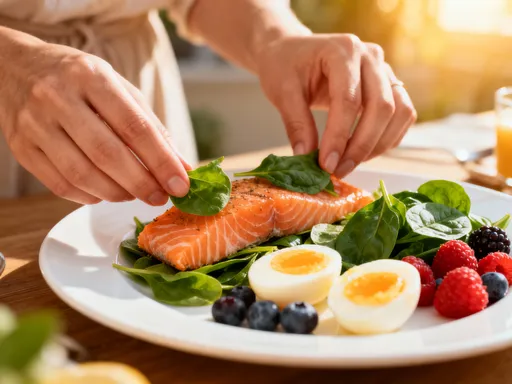
The body cannot produce omega-3s on its own, so they must come from food. The most potent forms—EPA and DHA—are found in fatty fish like salmon, mackerel, sardines, and herring. Eating fish two to three times a week can provide a steady supply. For those who don’t eat fish, plant-based sources like flaxseeds, chia seeds, and walnuts offer ALA, a precursor that the body can convert—though less efficiently—into EPA and DHA. Ground flaxseeds, for example, can be easily added to oatmeal, smoothies, or yogurt, offering both omega-3s and fiber.
A healthy scalp is just as important as strong hair strands. Omega-3s help regulate the scalp’s natural oils, reducing dryness and flakiness. They also support blood circulation, ensuring follicles receive the nutrients they need. Chronic inflammation, often linked to poor diet or stress, can damage follicles over time. Omega-3s act as natural anti-inflammatories, helping to protect against this damage. This is especially relevant for women navigating hormonal changes during perimenopause or menopause, when skin and scalp may become drier and more sensitive.
Despite their benefits, some people avoid dietary fats out of concern for weight gain. However, healthy fats are satiating and support hormone production, brain function, and skin health. The key is choosing the right kinds—focusing on whole food sources rather than processed oils or fried foods. Replacing refined carbohydrates with avocados, nuts, or olive oil can improve overall nutrition while enhancing hair quality. Over time, this shift not only supports hair but contributes to a greater sense of well-being. Healthy fats aren’t the enemy—they’re a quiet ally in the pursuit of stronger, shinier hair.
Everyday Foods That Boost Hair Naturally
The best hair-boosting foods are often already in your kitchen. You don’t need exotic superfoods or expensive supplements—just whole, nutrient-dense ingredients that work together to support hair from within. Eggs, for example, are a powerhouse: rich in high-quality protein, biotin, and selenium, they provide multiple nutrients in one affordable package. One large egg contains about 10% of the daily recommended intake of biotin, a vitamin directly involved in keratin production.
Sweet potatoes are another accessible choice, packed with beta-carotene, which the body converts into vitamin A. This vitamin supports sebum production, the scalp’s natural conditioner. However, excessive vitamin A can have the opposite effect, so it’s best to get it from food rather than supplements. Avocados deliver healthy monounsaturated fats, vitamin E, and vitamin C—nutrients that protect hair from oxidative stress and support collagen production. Their creamy texture also makes them easy to incorporate into meals, from toast to salads.
Nuts like almonds, walnuts, and Brazil nuts offer a mix of protein, healthy fats, and minerals. Almonds are high in vitamin E, walnuts contain omega-3s, and just one Brazil nut provides more than 100% of the daily selenium needs—important for hair strength. Berries, especially strawberries and blueberries, are rich in antioxidants and vitamin C, which not only protect hair follicles from damage but also enhance iron absorption when eaten with plant-based iron sources.
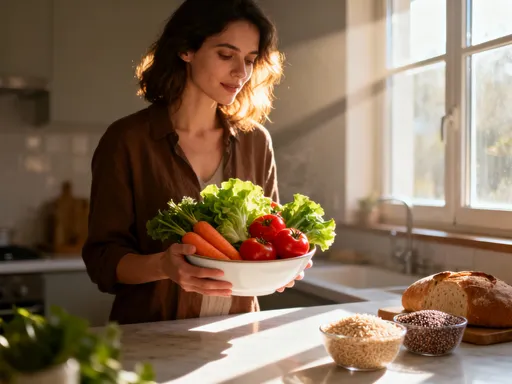
Leafy greens like spinach, kale, and Swiss chard are nutritional cornerstones. They provide iron, folate, and vitamins A and C—all vital for hair growth and scalp health. A simple lunch of sautéed spinach with lentils and a squeeze of lemon juice combines iron, protein, and vitamin C in a delicious, hair-supportive meal. The beauty of these foods is their versatility. They can be blended into smoothies, tossed into soups, or served as sides. When combined thoughtfully, they create meals that are not only good for hair but satisfying and sustainable for everyday life.
Building a Hair-Healthy Diet: Practical Steps
Changing your diet doesn’t have to be overwhelming. The goal isn’t perfection but progress—small, consistent choices that add up over time. Start by assessing your current eating habits. Are meals balanced with protein, vegetables, and healthy fats? Are you skipping meals or relying heavily on processed foods? These patterns can quietly deplete the nutrients hair needs. A simple first step is to add one hair-supportive food to each meal: eggs at breakfast, a handful of spinach in your lunch salad, salmon or lentils at dinner, and a small portion of nuts as a snack.
Meal planning can reduce decision fatigue and make healthy eating more manageable. Try preparing a few key components ahead of time—cooking a batch of quinoa, roasting vegetables, or hard-boiling eggs. This makes it easier to assemble balanced meals even on busy days. Focus on variety: rotating different protein sources, colorful vegetables, and whole grains ensures a broad spectrum of nutrients. Avoid extreme diets that eliminate entire food groups, such as low-fat or no-carb plans, as these can deprive the body of essential building blocks for hair.
Patience is essential. Hair grows slowly—about half an inch per month—so changes may take three to six months to become visible. This delay can be frustrating, but it underscores the importance of consistency. Think of nourishing your hair as a long-term investment, much like saving for retirement or maintaining a garden. The results aren’t immediate, but they are lasting. Along the way, pay attention to how you feel. Many women report more energy, better digestion, and improved skin as secondary benefits of a nutrient-rich diet.
Finally, remember that food is more than fuel—it’s a form of self-care. Choosing wholesome ingredients is a way of honoring your body and its needs. While external products can enhance appearance, true transformation begins from within. By aligning your plate with your goals, you create the conditions for stronger, shinier hair—not through magic, but through mindful, everyday choices.
Hair health is not a mystery. It is the visible outcome of invisible processes—cellular renewal, nutrient delivery, and hormonal balance—all influenced by what we eat. No single food or supplement can undo years of nutritional neglect overnight. But a consistent, balanced diet rich in protein, iron, zinc, omega-3s, and other key nutrients lays the foundation for lasting change. The foods that support hair also support overall well-being, making this journey about more than appearance. It’s about feeling strong, vibrant, and cared for from the inside out. When you feed your body well, your hair will reflect that care—in shine, in strength, in resilience. The real fix isn’t in a bottle. It’s on your plate.