How I Finally Got My Balance Back – And Why It Changed Everything
I used to think balance was just about not falling over. Then I stumbled—literally—during a simple walk, and it hit me: something was off. After digging into my body’s signals and testing small daily changes, I discovered how deeply balance affects energy, confidence, and overall health. It’s not just for older adults or athletes. This is a real talk about how I assessed my own stability, what actually worked, and why paying attention to balance might be one of the most effective health moves you’ll ever make.
The Moment Everything Tipped
It happened on an ordinary Tuesday morning. I was walking down a familiar sidewalk, coffee in hand, when my foot caught on a slight rise in the pavement. I didn’t fall hard, but the stumble was enough to make my heart race. More than the near-fall, it was the shock of losing control so easily that stayed with me. I was in my early 40s, active, and health-conscious—why had something so simple thrown me off?
That moment became a turning point. I started noticing other small signs: hesitating on stairs, feeling unsteady when turning quickly, or needing to steady myself on a counter while putting on shoes. These weren’t dramatic red flags, but together, they painted a picture of a body that wasn’t communicating with itself as well as it used to. I had always associated balance issues with aging—something that happened to others, not someone like me. But the truth is, balance begins to decline earlier than most people realize, often in midlife, and the effects can accumulate silently.
What surprised me most was the emotional impact. I began to feel a quiet loss of confidence in my own body. Simple tasks—carrying groceries, stepping off a curb, or even standing in the shower—started to carry a faint undercurrent of worry. I realized that balance wasn’t just about physical stability; it was tied to my sense of safety, independence, and trust in my body’s abilities. That fall, minor as it was, cracked that trust. But it also opened the door to understanding that balance is not a fixed trait—it’s a skill, one that can be nurtured, restored, and strengthened at any age.
What Balance Really Means (Beyond Standing on One Leg)
Balancing on one leg may seem like a party trick or a fitness challenge, but it’s actually a window into a much deeper system. True balance is not just muscular control—it’s a sophisticated coordination between three key systems: the inner ear, the eyes, and the body’s sensory feedback network. Together, they form what scientists often call the vestibular system, a kind of internal navigation center that helps us know where we are in space, even with our eyes closed.
The inner ear contains tiny fluid-filled canals that detect motion. When you move your head, the fluid shifts, sending signals to the brain about direction and speed. Meanwhile, your eyes provide visual cues—confirming whether the world around you is moving or you are. But perhaps the most overlooked component is proprioception, the body’s ability to sense its position through receptors in the muscles, tendons, and joints. Think of it as your body’s GPS: it tells your brain where your feet are, whether you’re on a slope or flat ground, and how much pressure is under your toes.
When these three systems work in harmony, balance feels effortless. But if one is impaired—say, if your vision is blurry, your inner ear is affected by congestion, or your feet have become numb from sitting too long—the brain receives conflicting messages. That’s when you feel wobbly, disoriented, or at risk of falling. The beauty of this system is its adaptability. With the right input, the brain can recalibrate and improve its processing. That means balance isn’t just something you’re born with; it’s something you can train, much like strengthening a muscle through regular exercise.
Why Modern Life Is Killing Our Balance
Modern lifestyles are quietly eroding our natural balance abilities. We spend hours each day in static positions—sitting at desks, staring at screens, wearing supportive shoes that cushion every step. While these habits may feel comfortable, they deprive our bodies of the varied sensory input they need to stay sharp. When movement becomes predictable and limited, the brain’s balance network doesn’t get the challenges it requires to stay active.
Consider footwear. Most everyday shoes, especially flat, cushioned ones, reduce the amount of feedback our feet receive from the ground. Over time, this can dull the sensitivity of the soles, weakening the connection between our feet and brain. It’s like wrapping your hands in thick gloves and trying to thread a needle—the precision is lost. Similarly, walking only on flat, even surfaces—sidewalks, office floors, gym tracks—means our feet and ankles aren’t adapting to changes in terrain, which is essential for maintaining agility and stability.
Then there’s screen time. Hours spent looking at phones, tablets, or computers encourage a fixed gaze and forward-leaning posture, which can disrupt the visual and neck-based signals that contribute to balance. The brain becomes accustomed to a narrow field of vision and limited head movement, making it harder to adjust when we need to turn quickly or look up and down. Add to that a general decline in varied physical activity—fewer walks on trails, less time gardening, less play—and it’s no wonder that many people, even in midlife, start to feel less steady than they once did.
The consequences go beyond occasional wobbling. Poor balance increases the risk of falls, which can lead to injuries, reduced mobility, and a cycle of fear that limits activity. But the good news is that these lifestyle factors are reversible. By reintroducing movement variety, mindful walking, and sensory engagement, we can begin to rebuild the connections that support strong, reliable balance.
Simple Ways to Test Your Own Balance (No Doctor Needed)
You don’t need special equipment or a medical appointment to get a basic sense of your balance. Three simple, at-home tests can offer valuable insight into your current stability. These aren’t diagnostic tools, but they can help you identify whether your balance might benefit from attention and practice.
The first is the timed one-leg stand. Stand near a wall or counter for safety. Lift one foot off the ground and balance on the other, keeping your hands at your sides. Time how long you can hold the position without touching down or using your arms for support. Most healthy adults can hold this for 20 to 30 seconds or more. If you struggle to maintain it for 10 seconds, it may be a sign that your balance system needs strengthening.
The second test is the heel-to-toe walk. Walk in a straight line, placing the heel of one foot directly in front of the toes of the other, like walking on a tightrope. Take 10 steps this way. Do you feel wobbly? Do you need to step out of line to steady yourself? Difficulty with this task can indicate issues with coordination or proprioception, especially if you’re used to walking on varied terrain.
The third is the sway test. Stand with your feet together, arms at your sides, and eyes closed. Have someone watch you for 30 seconds. Do you sway significantly? Do you feel the urge to open your eyes or step out? This test challenges your body’s reliance on vision and highlights how well your inner ear and joint sensors are working. If you find yourself unsteady, it doesn’t mean there’s a serious problem—but it does suggest that your balance system could use some targeted attention.
These tests are best done periodically, not just once. Tracking your progress over time can show improvement and help you stay motivated. If you consistently struggle with more than one test, or if you experience dizziness or frequent near-falls, it may be wise to consult a healthcare provider for a more thorough evaluation.
The Daily Fixes That Actually Helped Me
After taking the self-tests and realizing my balance wasn’t as strong as I’d assumed, I committed to making small, sustainable changes. I didn’t jump into complex routines or buy special equipment. Instead, I focused on integrating simple, science-backed practices into my daily life. The key was consistency, not intensity.
One of the first things I tried was walking slowly on uneven ground. Instead of sticking to paved paths, I began taking short walks on grass, gravel, or dirt trails. The varied surface forced my feet and ankles to make constant micro-adjustments, which strengthened the proprioceptive feedback loop. I started with just five minutes at a time, gradually increasing as my confidence grew. This wasn’t about speed or distance—it was about paying attention to how my feet felt with each step.
Another change was spending time barefoot on safe surfaces. At home, I started removing my shoes more often, walking on carpet, tile, or even a textured mat. This simple act reawakened the sensory receptors in my feet, improving their ability to send accurate signals to my brain. I also began standing barefoot while brushing my teeth or folding laundry—small moments that added up. Over time, I noticed I felt more grounded, both literally and figuratively.
I also incorporated controlled head movements into my routine. While standing still, I would slowly turn my head side to side, then up and down, keeping my body still. This helped train my vestibular system to handle motion without losing stability. I started with just 30 seconds a day, ensuring the movements were smooth and deliberate. It felt unusual at first, but within weeks, I noticed less dizziness when looking up at shelves or turning quickly in conversation.
These practices didn’t transform me overnight. Progress was gradual, measured in small victories—standing confidently on a moving bus, catching myself when tripped, or simply feeling more aware of my body in space. The real change was in my mindset: I stopped seeing balance as something passive and began treating it as an active part of my health, just like hydration or sleep.
When to Seek Expert Support
While most balance concerns can be improved with lifestyle adjustments, there are times when professional guidance is essential. Certain symptoms should not be ignored, as they may point to underlying conditions that require medical evaluation. If you experience frequent dizziness, especially when changing positions—such as standing up from a chair or turning in bed—it’s important to consult a healthcare provider. This could be related to blood pressure changes, inner ear disorders, or neurological factors.
Another red flag is frequent stumbling or falling, particularly if it happens without an obvious cause like tripping. Recurrent imbalance, especially in safe environments, may indicate issues with the vestibular system, nerve function, or muscle strength that go beyond everyday deconditioning. Similarly, if you notice that your balance worsens with head movements—such as looking up or turning quickly—this could suggest a vestibular problem like benign paroxysmal positional vertigo (BPPV), which a trained therapist can often treat effectively.
Other signs to watch for include difficulty walking in the dark, a sensation of floating or spinning, or needing to hold onto walls or furniture more than usual. These may not always signal serious illness, but they do warrant a conversation with a doctor, physical therapist, or audiologist who specializes in balance disorders. Early intervention can prevent complications and improve outcomes significantly.
It’s also worth noting that some medications can affect balance as a side effect. If you’ve started a new prescription and noticed changes in steadiness, discuss this with your healthcare provider. Never stop medication on your own, but do bring up any concerns about dizziness or instability. A professional can help determine whether adjustments are needed or whether additional testing is appropriate.
Balance as a Lifelong Health Habit
What I’ve learned is that balance is not a destination—it’s a practice. Like eating well or getting enough rest, it’s a foundational element of long-term health that deserves regular attention. The habits that support good balance—mindful movement, varied physical activity, and body awareness—don’t just prevent falls; they enhance overall quality of life. They help you move with confidence, react quickly, and feel more connected to your body’s rhythms.
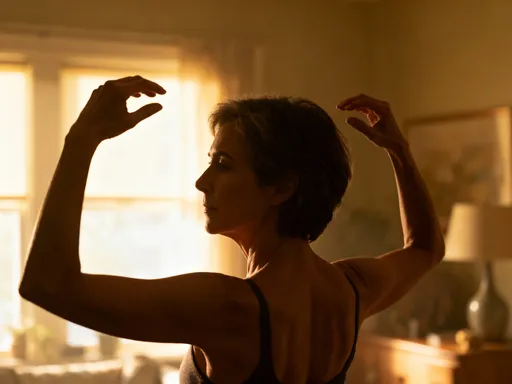
One of the most meaningful changes has been the return of confidence. I no longer hesitate on uneven ground or worry about losing my footing. I’ve started gardening again, taken up leisurely hikes, and even dance more freely at family gatherings. These aren’t just physical gains—they’re emotional and social ones too. Feeling steady in your body fosters a sense of security that ripples into other areas of life.
The broader lesson is that small, consistent actions can lead to profound shifts. You don’t need to spend hours in a gym or master complex exercises. Standing on one leg while waiting for the kettle to boil, walking barefoot on safe surfaces, or simply looking around instead of down while walking—these tiny choices add up. Over time, they retrain your body and brain to work together more effectively.
Balance is more than a physical skill; it’s a reflection of how well we listen to our bodies. In a world that often pulls us in multiple directions, nurturing balance becomes a form of self-respect—a daily commitment to staying grounded, both literally and metaphorically. By giving it the attention it deserves, we invest not just in stability, but in vitality, independence, and peace of mind for the years ahead.