How I Transformed My Health by Eating Cleaner — And Why It Changed Everything
For years, I felt sluggish, bloated, and disconnected from my body. I tried every trend—juice cleanses, fasting, keto—but nothing stuck. Then I shifted my focus from quick fixes to long-term dietary changes that also supported a healthier planet. Cutting out processed foods and reducing animal products didn’t just improve my digestion and energy; it reshaped my entire lifestyle. This is how smarter eating became my most effective tool for personal and environmental well-being.
The Wake-Up Call: When Health and Environment Collided
It started with a routine doctor’s visit that turned into a wake-up call. Despite exercising regularly and not being overweight, I was experiencing persistent fatigue, frequent bloating, and trouble concentrating. My blood work revealed elevated markers for inflammation and early signs of insulin resistance—conditions often linked to long-term chronic disease. The physician didn’t prescribe medication. Instead, she asked a simple but profound question: "What does your plate look like most days?" That moment marked the beginning of a deeper inquiry into not just what I was eating, but why.
At the same time, I had been reading more about climate change and the environmental impact of food production. I learned that the global food system contributes nearly one-third of all greenhouse gas emissions, with animal agriculture accounting for a significant portion. I also discovered how heavily processed foods rely on industrial farming, excessive packaging, and long supply chains—all of which strain natural resources. It became clear that my diet wasn’t just affecting my body; it was part of a much larger ecological footprint.
This convergence of personal health concerns and environmental awareness created a turning point. I realized that I didn’t need another short-term diet. What I needed was a sustainable, values-driven approach to eating—one that supported both my well-being and the health of the planet. The decision to shift my diet wasn’t about aesthetics or rapid weight loss. It was about making choices that aligned with long-term vitality and responsibility.
Breaking Down Dietary Restrictions: More Than Just Cutting Out Food
The word "restriction" often carries negative connotations—deprivation, punishment, or limitation. But in the context of mindful eating, dietary changes can be reframed as empowerment. Rather than focusing on what I was giving up, I began to see my choices as acts of care. Choosing whole grains over refined flour, fresh vegetables over canned soups, or legumes instead of processed meats wasn’t about sacrifice; it was about upgrading the quality of fuel I was giving my body.
One of the most common misconceptions about changing your diet is that it requires extreme measures or complete elimination. But sustainable change rarely happens overnight. Instead, it’s built on small, intentional decisions. I started by removing one processed item per week—first soda, then packaged snacks, then frozen meals. Each change felt manageable, and over time, they added up to a dramatically different way of eating. What surprised me most was how quickly my taste preferences shifted. Foods I once craved, like sugary cereals or salty chips, began to taste overly sweet or artificially flavored.
This transformation wasn’t just physical—it was psychological. I began to view food as information for my body, not just pleasure or comfort. Each meal became an opportunity to support my energy, mood, and long-term health. At the same time, I recognized that these choices also reduced demand for resource-intensive products. Every plant-based meal, every unpackaged purchase, contributed to a smaller environmental impact. Restriction, in this light, became a form of freedom—freedom from fatigue, from cravings, and from contributing to systems that harm both people and the planet.
The Environmental Cost of What We Eat
The connection between diet and environmental health is supported by extensive research. According to data from the United Nations Food and Agriculture Organization, livestock production alone accounts for approximately 14.5% of global greenhouse gas emissions—more than the entire transportation sector combined. Beef and lamb have the highest carbon footprints, requiring large amounts of land, water, and feed to produce relatively small amounts of food. For example, producing one pound of beef can require up to 1,800 gallons of water, equivalent to about 60 showers of ten minutes each.
Water usage is just one part of the equation. Animal agriculture also drives deforestation, particularly in regions like the Amazon, where forests are cleared to create pastureland or grow feed crops like soy. This loss of biodiversity and carbon-storing ecosystems accelerates climate change. Additionally, manure runoff from large-scale farms can pollute waterways, leading to algal blooms and dead zones in lakes and coastal areas. These environmental impacts are not distant or abstract—they affect air quality, water availability, and food security for communities around the world.
Processed foods, while not always animal-based, also carry a heavy environmental burden. Their production involves energy-intensive manufacturing, synthetic additives, and excessive packaging—much of which ends up in landfills or oceans. A single frozen dinner may travel thousands of miles, pass through multiple processing facilities, and arrive wrapped in plastic that won’t decompose for centuries. By contrast, whole, plant-based foods like fruits, vegetables, beans, and grains generally require fewer resources, generate less waste, and have a lower carbon footprint.
None of this is meant to induce guilt or shame. No single person is responsible for solving the climate crisis. But individual choices do matter. When millions of people shift toward more sustainable eating patterns, the collective impact can drive market changes, influence policy, and reduce demand for the most harmful practices. Eating cleaner isn’t just a personal upgrade—it’s a quiet but powerful form of environmental stewardship.
What Changed in My Body—And Why It Lasted
Within the first few weeks of changing my diet, I noticed subtle but meaningful shifts. My digestion improved dramatically—bloating disappeared, and bowel movements became regular and comfortable. I no longer felt sluggish after meals. Instead of the afternoon crash that used to send me searching for coffee or candy, I experienced steady energy throughout the day. My skin cleared up, and I received multiple compliments on my complexion before I even mentioned the change.
These improvements weren’t accidental. They were the result of giving my body the nutrients it needed to function optimally. Processed foods are often stripped of fiber, vitamins, and beneficial plant compounds during manufacturing. They’re also high in refined sugars, unhealthy fats, and sodium—all of which can disrupt gut health, promote inflammation, and impair metabolic function. In contrast, whole plant-based foods are rich in fiber, antioxidants, and phytonutrients that support the microbiome, regulate blood sugar, and protect cells from damage.
The gut microbiome, in particular, plays a crucial role in overall health. A diverse and balanced community of gut bacteria helps regulate immunity, mood, and even hormone levels. Diets high in processed foods tend to reduce microbial diversity, while plant-rich diets feed beneficial bacteria. I began eating more legumes, whole grains, fermented foods like sauerkraut, and a wide variety of colorful vegetables—each contributing to a healthier gut environment. Over time, my body became more efficient at absorbing nutrients and eliminating waste.
What made these changes sustainable was their gradual nature. I didn’t eliminate everything at once or aim for perfection. I allowed myself flexibility and room for occasional indulgences. This approach prevented the burnout and frustration that had derailed previous attempts. Because the results were real and noticeable—not just on the scale, but in how I felt—I was motivated to keep going. The transformation wasn’t about willpower; it was about creating a lifestyle that felt good, both physically and emotionally.
Building a Realistic, Effective Eating Plan
Sustainability depends on practicality. No matter how healthy a diet may be in theory, it won’t last if it’s too complicated, time-consuming, or out of sync with daily life. My goal wasn’t to follow a rigid set of rules, but to create a flexible framework that could adapt to different situations—workdays, family meals, social events, and travel.
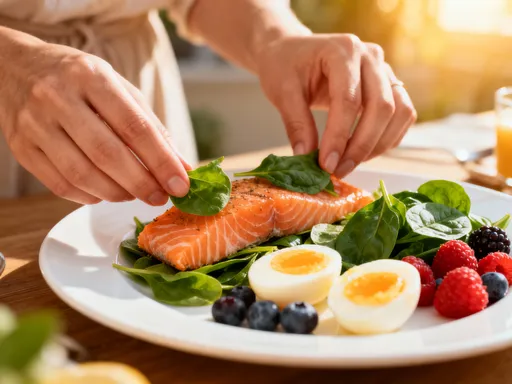
The foundation of my eating plan became whole, minimally processed foods. I focused on vegetables, fruits, whole grains like brown rice and oats, legumes such as lentils and chickpeas, nuts, seeds, and plant-based proteins. Animal products weren’t banned, but they became occasional rather than routine—small portions of eggs, yogurt, or sustainably sourced fish a few times a week. This plant-forward approach aligned with dietary patterns shown in research to support longevity and reduce chronic disease risk, such as the Mediterranean and DASH diets.
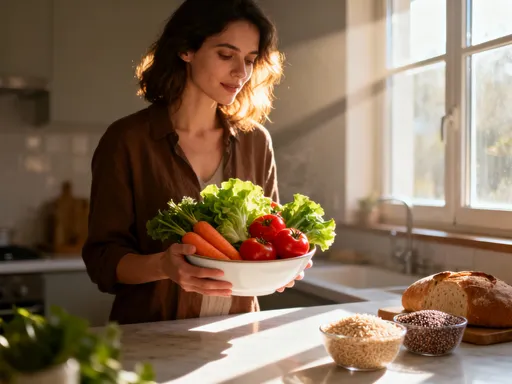
Meal structure also played a key role. Breakfast often included oatmeal with berries and chia seeds, or avocado toast on whole grain bread. Lunch was typically a large salad with beans, vegetables, and a simple olive oil and lemon dressing, or a grain bowl with quinoa and roasted vegetables. Dinner featured plant-based soups, stir-fries, or hearty stews with lentils or tofu. Snacks were simple: an apple with almond butter, carrot sticks with hummus, or a small handful of mixed nuts.
Preparation made a big difference. I began batch-cooking on weekends—roasting vegetables, cooking a pot of lentils, preparing grain bowls, and chopping fresh produce. Having healthy options ready reduced the temptation to reach for convenience foods during busy weekdays. I also learned to read labels carefully, avoiding products with long ingredient lists, added sugars, or unpronounceable chemicals. Shopping mostly from the perimeter of the grocery store—where fresh produce, dairy, and meats are located—helped me stay focused on whole foods. Over time, this way of eating became second nature.
Overcoming Challenges and Staying Motivated
No lifestyle change is without obstacles. One of the biggest challenges was navigating social situations. Family gatherings often centered around traditional dishes high in meat, butter, and sugar. I didn’t want to be difficult or draw attention to my choices, so I developed strategies. I started bringing a healthy dish to share—a colorful grain salad, a bean-based dip, or a fruit platter. This ensured there was at least one option I could enjoy, and it often sparked curiosity and positive feedback from others.
Cravings were another hurdle, especially in the early stages. When I felt the urge for something sweet or salty, I first asked myself: Am I truly hungry, or am I stressed, tired, or bored? Often, the answer was not hunger, but an emotional need. I learned to pause and address the root cause—taking a short walk, drinking water, or practicing deep breathing. When I did want a treat, I allowed myself a small portion of high-quality dark chocolate or a homemade energy ball made with dates and nuts. Deprivation only intensified cravings; moderation and mindfulness reduced them.
Time constraints were real, especially on busy days. But I found that simple meals could be both nutritious and quick. A stir-fry with frozen vegetables and tofu takes less than 15 minutes. A smoothie with spinach, banana, plant-based milk, and protein powder is ready in minutes. I also embraced convenience items that fit my goals—canned beans (low sodium), pre-washed greens, and frozen fruits and vegetables without added sauces or sugars. These choices saved time without compromising nutrition.
Motivation came from focusing on how good I felt, not just how I looked. I kept a journal where I noted energy levels, digestion, mood, and sleep quality. Seeing the positive patterns reinforced my commitment. I also reminded myself that every meal was an act of care—for my body, my future, and the planet. This sense of purpose made it easier to stay consistent, even on tough days.
From Personal Shift to Lasting Impact
What began as a personal health journey gradually expanded into something broader. My family started noticing the changes in me—my energy, my mood, my cooking—and began asking questions. Over time, my partner adopted many of the same habits, and my children became more open to trying vegetables and whole grains. Small shifts at home led to bigger changes: fewer processed snacks in the pantry, more plant-based meals on the table, less food waste.
This ripple effect extended beyond my household. Friends asked for recipes. Coworkers commented on my lunch and wanted to know where I got my ideas. I realized that visible, consistent choices can influence others without preaching or pressure. When people see that a healthier, more sustainable way of eating is enjoyable and doable, they become curious. That curiosity can lead to change.
On a larger scale, consumer demand shapes markets. As more people choose plant-based, minimally processed foods, companies respond by offering better options. Grocery stores expand their selection of organic produce, bulk grains, and eco-friendly packaging. Restaurants add more plant-forward dishes to their menus. These shifts wouldn’t happen without individual choices adding up to collective impact.
The most powerful lesson I’ve learned is that transformation doesn’t require perfection. It requires awareness, consistency, and care. By aligning my diet with both my body’s needs and the planet’s limits, I found a healthier, more meaningful way to live. The changes I made weren’t extreme or temporary—they became a natural part of who I am. And the best part? Anyone can start, one meal at a time. It’s not about overhauling your life overnight. It’s about making better choices, more often, with intention. Over time, those choices add up to a life of greater vitality, clarity, and connection—to yourself, to others, and to the world you live in.