How I Finally Tamed My Frizzy Hair by Ditching Stress (And You Can Too)
We’ve all had those days when our hair looks dull, lifeless, or frizzy no matter what products we use. What if the real culprit isn’t your shampoo—but your stress levels? Chronic tension doesn’t just affect your mood; it shows up in your hair. I learned this the hard way. After months of trial and error, I discovered that calming my mind was the missing piece to healthier, shinier hair. It wasn’t a new conditioner or an expensive treatment that made the difference—it was learning to breathe, slow down, and care for my body from the inside out. This isn’t just about vanity. It’s about understanding how deeply our emotional well-being shapes our physical health, even down to the strands on our scalp.
The Hidden Link Between Stress and Hair Health
Many women in their 30s to 50s notice changes in their hair and immediately assume it’s aging, hormones, or a deficiency. While these factors play a role, one powerful yet overlooked contributor is chronic stress. When the body experiences prolonged tension—whether from work, family responsibilities, or emotional strain—it activates the sympathetic nervous system, triggering the release of cortisol, often called the “stress hormone.” Elevated cortisol levels over time can disrupt the normal hair growth cycle, pushing more follicles into the shedding phase, known as telogen effluvium. This condition may not cause baldness, but it leads to noticeable thinning, lack of volume, and hair that feels brittle or weak.
The biological mechanism behind this is both intricate and logical. Cortisol increases inflammation throughout the body, including the scalp. Inflamed follicles are less efficient at producing strong, healthy hair. Additionally, stress can impair blood circulation to the scalp, reducing the delivery of oxygen and essential nutrients like iron, biotin, and zinc—key components for robust hair growth. At the same time, stress often affects digestion and nutrient absorption, compounding the problem. A woman might be eating a balanced diet, but if her body is in a constant state of alert, those nutrients aren’t being utilized effectively.
One of the most common signs women overlook is sudden or increased shedding after a particularly difficult period—such as after an illness, a major life change, or a few months of poor sleep. This delayed reaction can make it hard to connect the dots. Hair typically sheds about three months after a stressful event, so the cause may not be immediately obvious. Yet, when patterns emerge—more hair in the brush, thinner ponytails, or frizz that won’t respond to styling—it’s worth asking: what has been happening in your life lately? The answers may lie not in your bathroom cabinet, but in your daily rhythm and emotional load.
Why Traditional Haircare Routines Fall Short
There’s no shortage of serums, masks, shampoos, and treatments promising to restore shine, reduce frizz, and boost growth. The global haircare market is worth billions, with new products launching every season. Yet, despite this abundance, many women report little to no improvement in their hair’s condition. The reason is simple: most of these solutions address only the surface. They aim to smooth the cuticle, add moisture, or protect against heat damage, but they don’t touch the internal imbalances that are weakening hair at the root—literally.
Think of it like watering a plant with damaged roots. No matter how much you mist the leaves, the plant won’t thrive if the foundation is compromised. Similarly, applying oils or protein treatments to hair that’s being undermined by high cortisol and poor circulation is a temporary fix at best. The hair may look better for a day or two, but without addressing the underlying stress response, the improvements won’t last. This creates a cycle of frustration—trying one product after another, spending money, hoping for change, and ending up discouraged.
Moreover, the beauty industry often capitalizes on this frustration by promoting quick fixes and miracle claims. Ads suggest that the right product can undo years of damage in weeks. But real hair health isn’t achieved through external applications alone. It requires a shift in how we view self-care. Instead of asking, “What can I put on my hair?” we need to start asking, “What is my body trying to tell me?” When we reframe hair issues as signals of internal imbalance, we open the door to more meaningful, lasting solutions. The goal isn’t just better hair—it’s better overall health, with vibrant hair as a natural byproduct.
Recognizing Your Personal Stress Triggers
The first step toward lasting change is awareness. Stress isn’t always dramatic or obvious. It often builds quietly—through long workdays, caregiving responsibilities, financial worries, or disrupted sleep. For many women, stress becomes so normalized that they don’t recognize its presence until it manifests physically, whether through headaches, fatigue, digestive issues, or changes in their hair. Learning to identify personal stress triggers is essential for breaking this cycle.
Common sources of stress include job demands, household management, parenting, or caring for aging parents. Emotional strain, such as unresolved grief, loneliness, or relationship tensions, also takes a toll. Even positive life events—like moving, starting a new role, or planning a major event—can elevate stress hormones due to the increased cognitive load. Then there’s the impact of poor sleep, which both results from and contributes to stress. When sleep is inconsistent or low quality, the body produces more cortisol, creating a feedback loop that worsens both mental and physical well-being.
One effective way to gain insight is to keep a simple journal for a week or two. Note down moments when you feel tense, overwhelmed, or exhausted. Alongside these, record observations about your hair—any shedding, dryness, or changes in texture. Over time, patterns may emerge. You might notice that after a night of poor sleep, your scalp feels tight or your hair looks flatter. Or perhaps you see more frizz during busy weeks. This isn’t about assigning blame or creating more pressure; it’s about gathering information. When you understand your unique stress profile, you can begin to make intentional choices that support both your mind and your hair.
Daily Habits That Calm the Mind and Nourish Hair
Once you’ve identified your stress triggers, the next step is building small, sustainable habits that promote relaxation and improve physiological resilience. The good news is that even minor changes can have a meaningful impact. Practices that calm the nervous system also enhance circulation, reduce inflammation, and support nutrient delivery—all of which benefit hair health. The key is consistency, not intensity. You don’t need to meditate for an hour or overhaul your life overnight. Small, daily actions create lasting results.
Mindful breathing is one of the most accessible tools. Taking just five minutes a day to focus on slow, deep breaths activates the parasympathetic nervous system, which counteracts the stress response. This simple act lowers cortisol, slows the heart rate, and improves blood flow—including to the scalp. You can do it in the morning before getting out of bed, during a break at work, or while waiting for dinner to cook. No special equipment is needed. Just inhale through the nose for four counts, hold for four, exhale for six, and repeat. Over time, this practice can retrain your body to respond to stress more calmly.
Light physical activity is another powerful ally. Walking, especially in nature, has been shown to reduce cortisol and boost mood. A 20-minute stroll after dinner does more than aid digestion—it signals to your body that it’s safe to rest and repair. Gentle movement like stretching, yoga, or tai chi also improves circulation and reduces muscle tension, which can indirectly benefit the scalp. Hydration plays a role too. Dehydration can make hair look dull and increase breakage, while proper water intake supports cellular function and detoxification. Drinking enough water may seem basic, but it’s often overlooked in busy routines. Pairing hydration with mindful moments—like sipping tea without distractions—can turn a simple act into a mini self-care ritual.
Scalp Care Meets Stress Relief: A Dual Approach
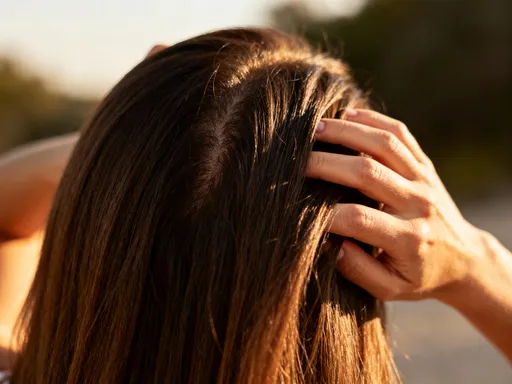
Caring for the scalp isn’t just about cleanliness or applying treatments—it’s also an opportunity for stress reduction. The scalp is rich in nerve endings and blood vessels, making it highly responsive to touch. Gentle scalp massage, done with fingertips using light pressure, can stimulate circulation, loosen tension, and promote relaxation. Studies suggest that regular scalp massage may increase hair thickness over time by improving blood flow to follicles. But equally important is its effect on the nervous system. The act of massaging the scalp can be deeply soothing, similar to a neck or shoulder rub.
You don’t need special tools or expensive oils. Using clean hands, apply light pressure in circular motions across the scalp for three to five minutes. You can do this in the shower while shampooing, before bed, or during a quiet moment in the evening. If desired, use a small amount of natural oil—such as coconut, jojoba, or almond oil—which can help condition the scalp without clogging pores. The ritual itself matters as much as the physical benefits. Taking time to touch your scalp mindfully sends a message of care and attention to your body. It’s a form of self-connection that counters the rush and distraction of daily life.
This dual benefit—physical and emotional—makes scalp care a unique bridge between external grooming and internal well-being. When you treat your scalp with kindness, you’re not just supporting hair growth; you’re also creating a moment of pause, presence, and nurturing. For women who often put others’ needs first, this small act can be a quiet rebellion against burnout. It’s a way of saying, “I matter. My body matters. This moment matters.” And in that shift of mindset, real healing begins.
Sleep, Nutrition, and Their Ripple Effects
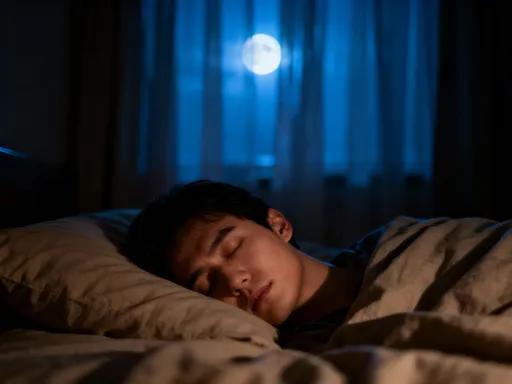
Sleep and nutrition are foundational pillars of health, and their connection to hair is profound. Yet both are frequently disrupted by stress. When cortisol remains elevated, especially in the evening, it interferes with the body’s ability to wind down. This can lead to difficulty falling asleep, frequent waking, or unrefreshing sleep. Poor sleep, in turn, increases inflammation and further dysregulates hormones, creating a cycle that undermines hair health. Women who regularly get less than seven hours of quality sleep may notice their hair feels thinner or more brittle over time.
Nutrition plays an equally critical role. Hair is made primarily of keratin, a protein, so adequate dietary protein is essential. But it’s not just about eating more meat or protein bars. Whole foods like eggs, legumes, nuts, seeds, and leafy greens provide not only protein but also iron, zinc, omega-3 fatty acids, and antioxidants—all of which support strong, shiny hair. Stress, however, can impair digestion and reduce the body’s ability to absorb these nutrients. Even a well-balanced diet may not be fully effective if the digestive system is compromised by chronic tension.
Instead of focusing on restrictive diets or supplements, the goal should be overall nourishment and rhythm. Eating regular meals, chewing slowly, and minimizing processed foods support both gut health and hair vitality. Including a variety of colorful vegetables and healthy fats ensures a broad spectrum of nutrients. Additionally, certain lifestyle habits—like avoiding screens before bed, maintaining a consistent sleep schedule, and creating a calming bedtime routine—can improve sleep quality. When sleep and nutrition are in balance, the body has the resources it needs to repair, regenerate, and grow healthy hair. These changes don’t require perfection—just intention and consistency.
Building a Sustainable Routine for Long-Term Results
The journey to healthier hair isn’t about finding a single miracle solution. It’s about creating a lifestyle that supports your whole being. Quick fixes may offer temporary relief, but lasting change comes from daily choices that honor your body’s needs. The most effective routines are not rigid or overwhelming—they are flexible, realistic, and rooted in self-compassion. Start small. Choose one or two practices—like five minutes of breathing or a short evening walk—and build from there. Over time, these habits will become natural, like brushing your teeth or drinking water.
It’s also important to redefine what success looks like. Hair growth is slow—about half an inch per month—and improvements in texture, shine, or strength may take weeks or even months to become visible. This requires patience. Instead of measuring progress by appearance alone, notice how you feel. Are you sleeping better? Do you feel calmer? Is your energy more stable? These are all signs that your body is rebalancing. When you care for your mind and body holistically, healthier hair follows as a natural outcome, not a forced result.
Finally, remember that self-care is not selfish. For many women, especially those managing households or caregiving roles, taking time for themselves can feel indulgent or even guilty. But when you prioritize your well-being, you’re not just helping yourself—you’re modeling resilience and balance for those around you. Your hair’s transformation is not just about looking different. It’s about feeling more grounded, more present, and more connected to yourself. And that kind of change lasts far longer than any hairstyle ever could.
True hair wellness starts from within. By addressing stress—not just symptoms—you create the conditions for stronger, shinier hair to naturally emerge. It’s not about perfection, but presence. When you care for your mind, your body, including your hair, begins to heal. This journey isn’t just about looking better—it’s about feeling grounded, balanced, and truly healthy.