Lost in Jakarta’s Rhythm: A Slow Traveler’s Journey Through Festival Soul
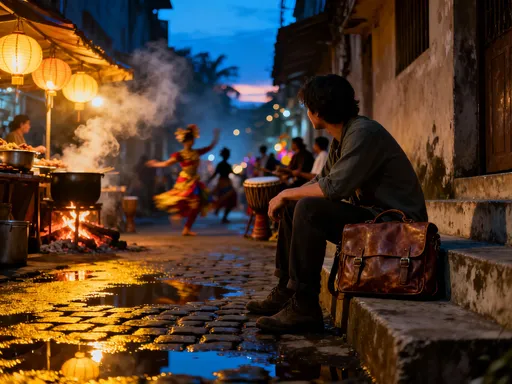
Have you ever felt a city breathe? Jakarta does—especially during its festivals. I wandered through neighborhoods not on any tourist map, where music spilled from alleyways and incense curled into twilight. This isn’t about ticking off landmarks. It’s about lingering long enough to feel a place pulse with life. Slow travel in Jakarta reveals a vibrant cultural heartbeat, one festival at a time—authentic, raw, and deeply human. In these moments, the city sheds its reputation as a traffic-choked capital and transforms into something intimate, welcoming, and deeply spiritual. Festivals here are not performances for visitors; they are living expressions of community, faith, and shared memory. To witness them is to be invited into the soul of Indonesia’s dynamic heart.
The Pulse of Jakarta: Why Festivals Define the City’s Spirit
Jakarta, often dismissed as an overwhelming urban sprawl, reveals its true character during its many festivals. These events are not mere calendar highlights but essential expressions of the city’s layered identity. As the capital of the world’s largest Muslim-majority nation, Jakarta observes religious holidays with deep reverence, yet its spirit is shaped equally by its ethnic and cultural diversity. The city is home to Javanese, Sundanese, Betawi (the indigenous people of Jakarta), Chinese Indonesians, Arabs, Indians, and others, each contributing to a rich mosaic of traditions. This pluralism finds its most vivid expression in the rhythm of annual celebrations that animate streets, homes, and places of worship across the city.
One of the most anticipated events is Eid al-Fitr, locally known as Lebaran, which marks the end of Ramadan. As the call to prayer echoes at dawn, families dressed in crisp traditional attire—women in batik kebayas, men in songkoks—flood mosques and community halls. The scent of ketupat and rendang lingers in the air as neighbors exchange greetings and forgiveness. In neighborhoods like Condet and Tanah Abang, entire streets come alive with open houses, where visitors of all backgrounds are welcomed to share in the feast. It is a powerful demonstration of communal harmony, where religious observance blends seamlessly with social connection.
Equally vibrant is the celebration of Chinese New Year in Glodok, Jakarta’s historic Chinatown. For weeks, red lanterns are strung across narrow lanes, and golden dragons sway through the crowds during lion dances. The aroma of bakpao, lontong, and sweet teahouse cakes fills the air. Families gather at temples like Vihara Dharma Bhakti to offer incense and prayers for prosperity. What makes this celebration particularly meaningful is its inclusivity—Muslim, Christian, and Hindu neighbors often join in the festivities, reflecting the city’s long tradition of intercultural exchange.
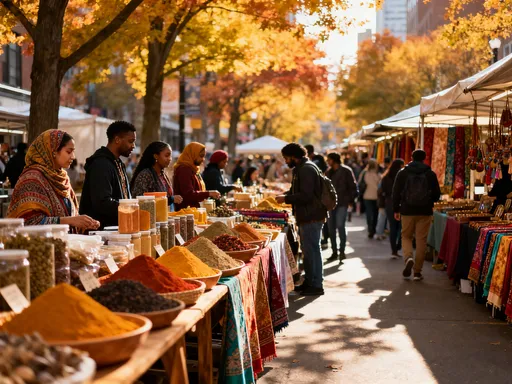
The Jakarta Fair, or Pekan Raya Jakarta (PRJ), held annually around June to commemorate the city’s founding, is another cornerstone of urban life. Spanning a month, the fair blends modern entertainment with traditional performances. Visitors can listen to kroncong music, watch traditional Betawi dances like the Tari Cokek, and sample regional delicacies from across Indonesia. Unlike commercialized fairs elsewhere, PRJ retains a grassroots charm, with families strolling hand in hand, children riding makeshift Ferris wheels, and elders reminiscing about past editions. It is less about consumption and more about collective memory and civic pride.
Christmas, too, is celebrated with warmth and dignity, particularly in central districts like Menteng and around the historic Immanuel Church. While Jakarta is not a majority-Christian city, Christmas processions and midnight masses draw people of all faiths. Carolers in traditional uniforms sing hymns in Bahasa Indonesia and local dialects, and light displays illuminate colonial-era buildings in Kota Tua. These moments underscore a quiet but enduring truth: Jakarta’s festivals are not segregated by religion or ethnicity. They are shared experiences, each contributing to the city’s evolving cultural rhythm.
Slow Travel as a Mindset: Moving Beyond the Itinerary
In a city as fast-paced as Jakarta, the idea of slow travel may seem counterintuitive. Skyscrapers rise beside century-old mosques, traffic hums through the night, and digital notifications never cease. Yet it is precisely in this contrast that the value of slowness becomes most apparent. Slow travel is not about rejecting modernity but about choosing presence over speed, depth over breadth. It means resisting the urge to document every moment and instead allowing oneself to be shaped by the moment. In Jakarta, this mindset transforms a visit from a checklist of sights into a meaningful encounter with place and people.
Traditional tourism often treats cities like catalogs—check the National Monument, visit the Textile Museum, eat at a recommended restaurant, then move on. But festivals in Jakarta cannot be consumed in this way. They unfold over days, even weeks, shaped by rituals, preparations, and communal anticipation. To experience them fully requires staying long enough to notice the small things: the way a grandmother adjusts her granddaughter’s headscarf before a procession, the rhythm of a street vendor grinding spices at 5 a.m., or the quiet hush that falls over a neighborhood just before a religious ceremony begins.
Staying in one neighborhood for several days allows travelers to move beyond observation into participation. In Kampung Bali, near the Tanah Abang market, I spent four nights in a family-run guesthouse. Each morning, I joined the host family for kopi tubruk—strong, unfiltered coffee served with palm sugar—while they shared stories about past festivals. One evening, I was invited to help prepare lontong for a pre-Eid community meal. There were no cameras, no performative gestures—just the warmth of shared labor and conversation. These moments, unscripted and unhurried, became the heart of my journey.
Slow travel also demands patience and openness. It means accepting delays, language barriers, and unfamiliar customs without frustration. It means sitting on a plastic stool for two hours watching a gamelan rehearsal, even if you don’t understand the lyrics. It means listening more than speaking, observing before acting. In Jakarta, where hospitality is deeply ingrained, such openness is often met with generosity. Locals appreciate the effort to engage, even with limited Bahasa Indonesia. A simple “Terima kasih” or “Boleh saya duduk di sini?” can open doors to conversations that last far longer than any guided tour.
Choosing the Right Festival: Aligning Interests with Authentic Experiences
With so many festivals throughout the year, selecting the right one can feel overwhelming. The key is to align the experience with personal interests while prioritizing authenticity over spectacle. Not all festivals are created equal—some are heavily commercialized, designed for mass tourism, while others remain rooted in community life. For travelers seeking depth, the latter offer far richer rewards.
For those drawn to food, Eid al-Fitr and Chinese New Year provide unparalleled opportunities. During Eid, neighborhoods prepare elaborate spreads featuring regional specialties—Javanese opor ayam, Sumatran rendang, Betawi soto betawi. Street stalls overflow with cookies, cakes, and drinks like es sirup and jamu. In Glodok, food becomes a central part of the celebration, with families offering samples to passersby. Participating in a home-cooked meal or visiting a local market during these times offers a sensory education in Indonesian cuisine.
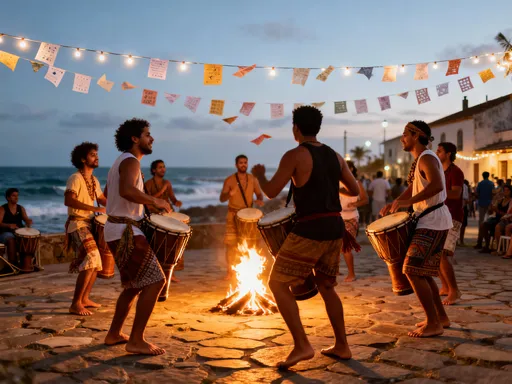
Music and dance lovers will find joy in events like the Jakarta Arts Festival, held in various cultural venues across the city. Traditional performances—Javanese wayang kulit (shadow puppetry), Sundanese angklung ensembles, or Betawi tanjidor bands—are presented alongside contemporary interpretations. Unlike staged shows for tourists, these events often take place in community centers or open-air plazas, with audiences of all ages. Attending one of these performances allows visitors to witness the living evolution of Indonesian arts.
Spiritual seekers may be drawn to religious observances such as Ramadan iftar gatherings or Christmas Eve services. While these are deeply personal moments, many communities welcome respectful visitors. Mosques like Istiqlal often host interfaith iftar dinners, and churches like Gereja Katedral invite guests to attend services. The emphasis is not on conversion but on shared humanity. Observing these rituals with humility—removing shoes, dressing modestly, sitting quietly—can be a profound act of cultural respect.
To find these authentic experiences, travelers should look beyond official tourism websites. Local community boards, religious centers, and cultural NGOs often post information about smaller, neighborhood-based events. Social media groups dedicated to Jakarta culture or expat communities can also provide real-time updates. Timing matters, too. Arriving a few days before a major festival allows visitors to witness preparations—the stringing of lights, the baking of cakes, the rehearsal of dances—moments that are often more revealing than the event itself.
Neighborhood Deep Dives: Glodok, Kota Tua, and Kampung Spirit
Jakarta’s festivals are best experienced not in isolation but within the neighborhoods that give them meaning. Three areas, in particular, offer distinct yet interconnected windows into the city’s cultural soul: Glodok, Kota Tua, and the traditional kampungs scattered across the outskirts.
Glodok, Jakarta’s Chinatown, comes alive during Chinese New Year with a symphony of color, sound, and scent. Red lanterns hang from every awning, and golden statues of dragons guard temple entrances. The air is thick with the smell of roasted duck, steamed buns, and burning incense. Families gather at temples to pray for health and prosperity, while children receive angpao—red envelopes containing coins. What makes Glodok special is its intimacy. Despite growing crowds, the neighborhood retains a village-like atmosphere, where shopkeepers know their customers by name and generations live above their stores. Walking through its alleys during the festival feels like stepping into a living heirloom.
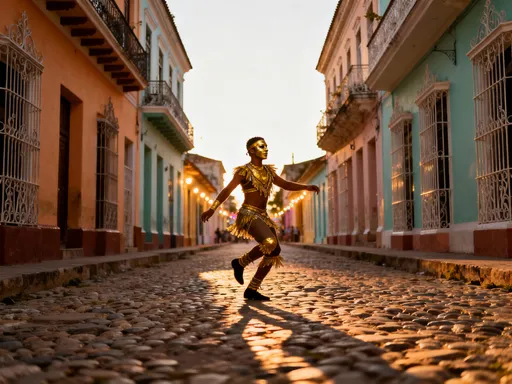
Kota Tua, or Old Town, offers a different kind of cultural fusion. Once the heart of Dutch Batavia, it now hosts heritage festivals that blend colonial architecture with Indonesian traditions. During the annual Kota Tua Festival, the cobblestone streets fill with performers in traditional dress, street artists, and food vendors. Gamelan music echoes beside 17th-century warehouses, and children fly kites in front of the old clock tower. The area also hosts Christmas and New Year’s events, where old and new Jakarta meet. Unlike sterile heritage sites elsewhere, Kota Tua feels alive—its history not preserved behind glass but danced, sung, and eaten.
Perhaps the most touching experiences await in the traditional kampungs—tight-knit communities where Betawi culture thrives. During Eid, these neighborhoods host slametan, communal meals that bring together dozens, sometimes hundreds, of families. Tables stretch down the street, laden with dishes prepared by neighbors. Elders lead prayers, children run between chairs, and everyone eats with their hands. There is no entrance fee, no ticket, no schedule—just the rhythm of shared life. Visitors are often welcomed with quiet grace, offered a seat and a plate. These moments, simple and unscripted, embody the essence of slow travel: connection, generosity, and belonging.
The Art of Participation: From Observer to Guest
In a festival-rich city like Jakarta, the line between observer and participant can be delicate. Respectful engagement is not just polite—it is essential. Indonesians value humility, warmth, and sincerity, and these qualities are especially important when entering sacred or community-centered spaces. Learning a few basic phrases in Bahasa Indonesia—“Selamat pagi” (good morning), “Permisi” (excuse me), “Terima kasih banyak” (thank you very much)—goes a long way in building trust.
Dress also matters. During religious events, modest clothing is expected—covered shoulders, long sleeves, and skirts or pants that reach the ankles. This is not about conformity but about showing respect for local customs. In mosques and temples, visitors should remove their shoes before entering. When offered food, it is considered impolite to refuse; accepting even a small portion demonstrates appreciation. These small acts of courtesy signal that you are not just passing through but are present with intention.
Photography requires particular sensitivity. While it’s natural to want to capture beautiful moments, snapping photos without permission can feel invasive. The best approach is to ask—using a gesture or a simple “Boleh foto?” (May I take a photo?). Often, people will say yes, especially if you smile and show your camera. But there are times to put the camera down: during prayers, family gatherings, or private rituals. Sometimes, the most powerful memories are the ones stored in the mind, not on a memory card.
True participation doesn’t always require action. Sometimes, the most meaningful thing you can do is sit quietly, listen, and be present. I once spent an entire afternoon at a pre-festival meeting in a kampung, understanding little of the conversation but feeling the warmth of inclusion. Later, an elder handed me a cup of tea and said, “Kamu sudah bagian dari kita hari ini.” (You are part of us today.) That moment, unphotographed and unplanned, remains one of the most precious of my travels.
Logistics Made Light: Staying, Moving, and Timing Your Trip
While the soul of Jakarta’s festivals is deeply human, practical planning ensures a smooth and respectful visit. Accommodations should be booked well in advance, especially during major holidays like Eid or Chinese New Year, when both locals and tourists flood the city. Staying in neighborhoods like Glodok, Kota Tua, or Menteng offers proximity to events and a more immersive experience than distant hotels. Family-run guesthouses or boutique lodgings often provide better access to local insights than large chains.
Getting around requires flexibility. Jakarta’s traffic is legendary, and festival days often bring road closures and congestion. The TransJakarta bus rapid transit system is reliable and connects major cultural areas. Ride-hailing apps like Grab or Gojek are widely used and can navigate side streets more efficiently than taxis. For shorter distances, becaks (pedicabs) offer a charming, eco-friendly option, though they are slower. Always confirm fares in advance or use app-based pricing to avoid misunderstandings.
Pack light but thoughtfully. A compact rain jacket is essential—many festivals occur during the wet season (October to April), and sudden downpours are common. Comfortable, breathable clothing in modest cuts is ideal. Bring small denominations of Indonesian rupiah for street food, donations, or offerings. ATMs are widely available, but cash is still king in markets and small events. A small notebook or journal can help capture reflections without relying on screens.
Stay informed. Local event calendars, such as those published by the Jakarta Tourism Board or community centers, provide up-to-date schedules. Social media groups and neighborhood WhatsApp chats (if accessible) offer real-time updates on changes or cancellations. Above all, embrace flexibility. Festivals in Jakarta often evolve organically—processions may start late, venues may shift, or impromptu gatherings may arise. Letting go of rigid plans allows space for serendipity, the very essence of slow travel.
Beyond the Celebration: Carrying the Spirit Forward
The true measure of a journey is not how many photos were taken but how it changes the traveler. A slow festival experience in Jakarta does more than entertain—it transforms. It teaches the value of presence, the beauty of shared rituals, and the quiet strength of community. Long after the last drumbeat fades, the lessons linger: that connection is more fulfilling than convenience, that listening is more powerful than speaking, that belonging can be offered, not earned.
Travelers can honor this spirit by continuing to engage thoughtfully. Supporting Indonesian artisans—by purchasing handwoven textiles, batik, or ceramic wares—helps sustain traditional crafts. Sharing stories with care, avoiding exoticization, and emphasizing humanity over difference keeps the narrative respectful. Some may feel called to return, not as tourists but as guests, deepening relationships built during their stay.
Ultimately, slow festival travel is an act of cultural empathy. In Jakarta, where diversity is not just tolerated but celebrated, visitors are reminded that unity does not require uniformity. It is built through shared meals, music, and moments of quiet understanding. To travel slowly through Jakarta’s festivals is to witness a city not as a destination, but as a living, breathing companion—one that teaches, welcomes, and remembers. And in that rhythm, we find not just the soul of a city, but a deeper sense of our own.