Taste of Hokkaido: A Journey Through Japan’s Northern Food Paradise
Have you ever taken a bite and instantly felt like you’d arrived somewhere extraordinary? That’s exactly what happened when I explored Hokkaido, where every meal tells a story of snow-capped peaks, fertile plains, and coastal bounty. From steaming bowls of ramen to fresh sea urchin straight from the Pacific, Hokkaido’s food scene is rich, authentic, and deeply satisfying. This is more than dining—it’s a sensory journey. The island’s cold climate, pristine waters, and nutrient-rich soil create an exceptional environment for agriculture and seafood, making it one of Japan’s most celebrated culinary regions. For travelers seeking not just flavor but connection, Hokkaido offers a table where nature, tradition, and hospitality come together in perfect harmony.
The Flavors That Define Hokkaido
Hokkaido’s cuisine is shaped by its northern latitude, long winters, and vast open landscapes. Unlike the subtropical south of Japan, this region experiences deep snowfall and crisp, clean air, conditions that foster slow-growing vegetables, rich dairy, and some of the freshest seafood in the world. The island’s fertile volcanic soil and abundant rainfall nourish crops like potatoes, pumpkins, and onions, which are sweeter and denser than their counterparts elsewhere. These natural advantages form the foundation of Hokkaido’s culinary reputation—a cuisine defined not by complexity, but by purity and seasonality.
One of the most celebrated elements of Hokkaido’s food culture is its dairy. The island produces over half of Japan’s milk, and its butter, cheese, and ice cream are renowned for their creamy texture and rich taste. Hokkaido milk, in particular, has a higher fat content due to the cool climate and well-fed cows, making it ideal for desserts and savory sauces alike. Local cheesemakers have elevated dairy into an art form, with small farms in Furano and Biei crafting artisanal varieties that rival European imports. This dedication to quality is evident in everyday offerings, from soft-serve cones at roadside stands to gourmet cheese platters served in mountain lodges.
Equally important are the island’s wild ingredients. Foraged mountain herbs like seri and zenmai appear in spring dishes, adding earthy notes to soups and rice bowls. The cold Pacific waters yield an abundance of seafood—king crab, scallops, salmon, and sea urchin—all harvested at peak freshness. Even the miso paste used in Hokkaido ramen is distinct: Sapporo miso is fermented longer and has a deeper, more robust flavor than other regional varieties, a reflection of the need for hearty, warming meals during long winters. Together, these elements create a culinary identity that is both grounded and elevated—a cuisine that honors nature’s rhythm.
Sapporo: A City Powered by Soup and Soul
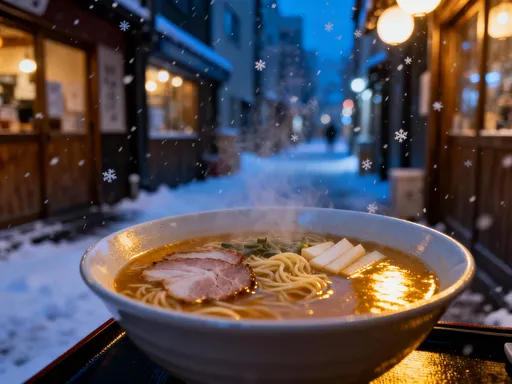
Sapporo, the capital of Hokkaido, is a city where food is not just sustenance but a way of life. Among its many culinary claims to fame, one stands above all: ramen. Specifically, miso ramen—thick, chewy noodles swimming in a rich, savory broth layered with pork, corn, butter, and bean sprouts. This dish was born out of necessity in the 1950s, when local cooks adapted Chinese-style ramen to suit Hokkaido’s cold climate. The result was a deeply satisfying bowl that quickly became a symbol of resilience and warmth.
A visit to Sapporo would be incomplete without a stop at Ramen Alley, a narrow lane tucked beneath the city’s bustling Odori Station. Here, a dozen small ramen shops line a covered walkway, each with its own signature broth and noodle style. The air is thick with the scent of roasted pork and fermented miso. Diners stand in line, craning their necks to read hand-painted menus, then slide into compact counter seats where bowls arrive within minutes—steaming, fragrant, and utterly comforting. The experience is democratic and intimate: no frills, no pretense, just expertly crafted food served with quiet pride.
But Sapporo’s culinary identity extends beyond ramen. Another beloved local specialty is Jingisukan, or “Genghis Khan,” a grilled mutton dish named for its resemblance to a warrior’s helmet. Thinly sliced lamb is seared on a dome-shaped grill at the center of the table, often alongside vegetables like bell peppers and onions. The smoky aroma fills the room as diners cook their own meat, turning it into a communal event. This dish reflects Hokkaido’s unique position in Japan—where sheep farming was historically promoted, unlike the rest of the country where beef and pork dominate.
No exploration of Sapporo’s food culture would be complete without a visit to the Sapporo Beer Garden, home of Japan’s oldest beer brewery. Opened in 1876, the facility combines industrial history with modern hospitality. Visitors can tour the museum, see vintage brewing equipment, and end with a tasting in the grand hall, where long tables are filled with locals enjoying cold pints of crisp, golden lager. Paired with grilled meats and pickled vegetables, the beer offers a refreshing contrast to the richness of Hokkaido’s cuisine. Together, ramen, Jingisukan, and beer form a triumvirate of flavor that captures the spirit of Sapporo—innovative, hearty, and deeply rooted in place.
Otaru’s Coastal Delicacies: Where the Ocean Meets the Table
Just a 30-minute train ride from Sapporo, the port town of Otaru unfolds like a postcard of old Japan. With its stone-lined canals, historic warehouses, and snow-dusted rooftops, it’s a place where time seems to slow. But for food lovers, Otaru’s true magic lies beneath the surface—literally. The town sits on the Sea of Japan, where cold currents from the Arctic mingle with nutrient-rich waters, creating ideal conditions for some of the world’s finest seafood.
One of the most memorable experiences in Otaru is a sushi breakfast at the morning market. Long before the tourist shops open, local fishermen and vendors set up stalls offering the day’s freshest catch. Here, visitors can sample king crab legs cracked open on the spot, glistening orbs of salmon roe that burst with briny sweetness, and delicate sea urchin—uni—so fresh it melts on the tongue. The texture is creamy, the flavor buttery with a hint of the ocean’s depth. Eating sushi at 8 a.m. might sound unusual, but in Otaru, it’s a ritual—a way to honor the morning’s harvest.
For a more refined experience, a small family-run sushi bar tucked down a side street offers an omakase tasting menu that unfolds like a story. The chef, often the owner’s son or grandson, selects each piece with care, explaining the origin and seasonality of every fish. A slice of fatty tuna from nearby waters, a sliver of sweet scallop, a bite of golden-eyed snapper—each is served on perfectly warm rice, lightly brushed with vinegar. There’s no menu, no choices—just trust in the chef’s expertise and the rhythm of the sea. These intimate settings, often seating fewer than ten guests, embody the Japanese concept of *shun*: eating ingredients at the peak of their season.
Otaru is also known for its kaisendon, a bowl of rice topped with a rainbow of raw seafood. Unlike sushi, which emphasizes precision, kaisendon celebrates abundance. A single bowl might include salmon, tuna, squid, octopus, crab, and sea urchin, all arranged like a mosaic. It’s a dish meant to be shared, to be savored slowly, with green tea or a small glass of sake. The freshness is undeniable—many of the fish were swimming just hours before. This connection between ocean and plate is what makes Otaru’s cuisine so powerful. It’s not about luxury or extravagance; it’s about respect for the sea and the people who harvest its gifts.
Asahikawa and the Art of Regional Reinvention
Located in the heart of Hokkaido, Asahikawa is the island’s second-largest city and a quiet champion of culinary innovation. While it may not have the international fame of Sapporo or Otaru, it holds its own with a distinctive ramen style and a deep commitment to seasonal, community-based food culture. Asahikawa ramen, known for its clear shoyu (soy sauce) broth, offers a lighter but equally satisfying alternative to Sapporo’s miso-heavy version. The broth is made by simmering chicken and vegetables for hours, then seasoned with a delicate soy-based tare that enhances rather than overwhelms.
What sets Asahikawa ramen apart is its balance. The noodles are firm and slightly curly, designed to hold the broth without becoming soggy. Toppings are simple—sliced pork, menma (fermented bamboo shoots), nori, and scallions—but each is prepared with precision. Many shops roast their pork slowly overnight, resulting in tender, flavorful chashu that falls apart with a touch. The experience is less about boldness and more about harmony—a reflection of the city’s quiet confidence.
Food in Asahikawa is also shaped by its seasons. Every winter, the city hosts the Asahikawa Winter Festival, where ice sculptures line the streets and food stalls offer warm, hearty dishes. Visitors can sip miso soup with local vegetables, nibble on grilled mochi, or try herring roe on rice—a regional specialty known as kazunoko. These festivals are not just tourist attractions; they are community events where families gather, elders share stories, and young chefs showcase their skills. In this way, food becomes a thread that connects generations.
Another pillar of Asahikawa’s food culture is sake. The city is home to several small breweries that use pure mountain water from the nearby Daisetsuzan range. This water, filtered through layers of volcanic rock, is soft and mineral-rich—ideal for brewing. Local sake tends to be clean and crisp, with floral and fruity notes that pair well with seafood and grilled meats. A visit to one of these breweries often includes a tasting room experience, where guests learn about the brewing process and sample different grades of sake. For many, it’s a revelation—proof that Hokkaido’s culinary excellence extends far beyond ramen and seafood.
Farm-to-Table in Biei and Furano: Sweet Fields, Rich Flavors
Drive west from Asahikawa, and the landscape transforms into rolling hills dotted with farms, flower fields, and dairy pastures. This is the heart of Hokkaido’s agricultural region, where Biei and Furano produce some of the island’s most beloved ingredients. Known for their lavender fields in summer and snowy vistas in winter, these towns are also culinary destinations in their own right. Here, the farm-to-table movement isn’t a trend—it’s a way of life.
Furano is famous for its melons, particularly the deep red Yubari King variety, though the region grows its own premium melons with similar sweetness and texture. These fruits are grown in nutrient-rich soil and benefit from long daylight hours during summer, resulting in exceptionally high sugar content. A single melon can cost over $100, not because it’s extravagant, but because it’s a gift—often given as a luxury present during holidays. Sliced open, the flesh is fragrant, juicy, and almost wine-like in its complexity. Even at roadside stands, visitors can sample melon chunks that taste like summer condensed into a single bite.
Equally important are the potatoes and dairy products. Biei’s volcanic soil produces dense, flavorful potatoes that are perfect for mashing, frying, or roasting. Local restaurants serve them as croquettes, gratins, or simply boiled with butter—a dish so simple it highlights the ingredient’s quality. At a family-run dairy farm, visitors can watch cows being milked, then sample fresh milk, yogurt, and cheese made the same day. One popular stop is a cream puff stand that sells warm, flaky pastries filled with custard made from Hokkaido milk. Lines form early, but the reward is worth it: a bite that is rich, sweet, and deeply comforting.
Cafés in this region often serve seasonal set meals featuring local produce. A summer lunch might include a salad of heirloom tomatoes, a grilled vegetable plate with zucchini and eggplant, and a bowl of miso soup with fresh corn. Dessert could be lavender ice cream or a melon sorbet, both made in-house. These meals are not rushed; they are meant to be lingered over, with views of purple flower fields or snow-capped peaks in the distance. In Biei and Furano, food is not separate from the landscape—it is an expression of it.
Hidden Eateries and Local Secrets Beyond the Tourist Trail
While guidebooks highlight famous ramen shops and scenic markets, some of Hokkaido’s most memorable meals happen off the beaten path. These are the places with no English signs, no online reviews, and no reservations—just warm lights, steamed windows, and the smell of something delicious cooking. They might be a roadside soup stand in the middle of winter, where drivers stop for a bowl of juka, a rice porridge simmered with salmon and vegetables. Or a mountain lodge where the owner serves venison stew made from locally hunted deer, tender and rich with red wine and root vegetables.
One such gem is a tiny coastal diner in a fishing village north of Wakkanai. Here, the owner, a retired fisherman, grills squid over charcoal, serving it with a squeeze of lemon and a dab of soy sauce. The squid is so fresh it’s still curling on the plate. There’s no menu, no website—just a chalkboard with a few daily specials. The atmosphere is unpretentious, the conversation sparse, but the connection is real. This is food without performance, created not for Instagram, but for nourishment and community.
Discovering these places requires patience and openness. Locals often recommend asking hotel staff or shop owners for suggestions, or simply walking down side streets and following the scent of cooking. Some of the best ramen shops in small towns are found this way—no queues, no crowds, just a quiet counter and a bowl that tastes like home. These moments of serendipity are what make travel meaningful. They remind us that the best experiences aren’t always planned; sometimes, they’re stumbled upon, like a warm light in a snowstorm.
For families and solo travelers alike, these hidden spots offer a sense of belonging. A grandmother might offer a taste of homemade pickles, a chef might explain how he learned to make soup from his father, or a waitress might recommend the day’s freshest catch. These interactions, brief as they may be, create lasting memories. They are not about luxury, but about humanity—about sharing food, warmth, and stories across languages and cultures.
Planning Your Culinary Adventure: When to Go, What to Try, How to Eat Like a Local
Timing is everything when planning a food-focused trip to Hokkaido. Each season brings its own bounty, and knowing when to visit can transform a good trip into an unforgettable one. Winter, from December to February, is prime time for crab—particularly hairy crab and king crab—served steamed or in hot pots. It’s also the season of snow festivals, where warm soups and grilled skewers provide comfort in the cold. February’s Sapporo Snow Festival draws crowds, but smaller towns like Asahikawa offer equally impressive ice displays with fewer tourists.
Spring, from March to May, brings the first foraged herbs and the return of fresh vegetables. This is a quieter time to visit, ideal for those who prefer milder weather and fewer crowds. By summer, from June to August, the seafood festivals begin. Otaru’s Kanmon Festival and Hakodate’s Morning Market buzz with activity, offering endless samples of grilled scallops, sea urchin, and squid. The lavender fields in Furano bloom in July, making it a perfect time for scenic drives and farm visits.
Fall, from September to November, is harvest season. Pumpkin, corn, apples, and grapes are at their peak, and farmers’ markets overflow with color. This is also sake-brewing season, as breweries begin the fermentation process using fresh rice and cold mountain water. A visit to a sake brewery during this time offers a behind-the-scenes look at the craft.
Getting around Hokkaido is easiest by train or rental car. The JR Hokkaido Pass offers unlimited travel on local and limited express trains, connecting major cities and many rural stations. For remote areas like Daisetsuzan or Shiretoko, a car provides flexibility. Accommodations range from modern hotels to traditional ryokan, many of which serve multi-course kaiseki dinners featuring local ingredients.
When dining, a few etiquette tips enhance the experience. It’s polite to say *itadakimasu* before eating and *gochisousama deshita* after. Slurping noodles is not only acceptable but encouraged—it shows enjoyment. Tipping is not customary; excellent service is simply part of the culture. Most importantly, approach each meal with curiosity and gratitude. Ask questions, try new things, and let the flavors guide you.
Hokkaido leaves a lasting impression—not just on the palate, but on the soul. It’s a place where food is grown, caught, and cooked with care, where every bite carries the story of the land and its people. For the 30- to 55-year-old traveler—often balancing family, work, and personal renewal—this kind of journey offers more than taste. It offers connection. It reminds us that the simplest meals, made with love and integrity, can be the most profound. In Hokkaido, the table is not just where we eat. It’s where we come home.