You Won’t Believe These Hidden Gems in Sardinia’s Architectural Landscape
Sardinia isn’t just about turquoise waters and golden beaches—its architecture tells a story centuries in the making. From ancient stone nuraghi rising mysteriously from the hills to sun-bleached villages clinging to cliffs, every structure holds a whisper of the past. I was stunned by how much character these buildings have. This is more than a travel guide—it’s an invitation to see Sardinia through the soul of its streets, stones, and secrets waiting to be explored.
Discovering Sardinia’s Architectural Soul
Sardinia's built environment reflects a layered history shaped by waves of cultural influence, geographic isolation, and a deep connection to the land. Unlike many Mediterranean islands that were reshaped entirely by successive conquerors, Sardinia retained a strong indigenous identity, visible in its enduring architectural forms. The island’s position in the central Mediterranean made it a crossroads for Nuragic, Phoenician, Roman, Byzantine, Pisan, Catalan, and Italian civilizations, each leaving subtle yet lasting marks on its towns and villages. Yet, because of its rugged terrain and relative remoteness, traditional building techniques and local aesthetics were preserved over centuries, creating a unique architectural language all its own.
What sets Sardinian architecture apart is not only its historical depth but also its harmony with nature. Buildings are often constructed using locally sourced stone, shaped by hand and designed to respond to the island’s hot, dry summers and mild winters. Thick walls retain coolness during the day, while small windows minimize direct sunlight. Courtyards serve as private oases for family life, and rooftops double as outdoor living spaces under the stars. These design choices weren’t merely aesthetic—they were born of necessity, refined through generations of lived experience.
For travelers, engaging with Sardinia’s architecture offers a richer, more meaningful journey than sun-and-sand tourism alone. Walking through an ancient village is like stepping into a living museum where history isn’t frozen behind glass but continues to breathe in daily life. Children play near 3,000-year-old walls, elders sip coffee on stone benches beneath arched doorways, and artisans shape wood and iron using time-honored methods. Architectural tourism invites visitors to slow down, observe closely, and appreciate the quiet dignity of places built to last—not for show, but for life.
The Nuraghi: Ancient Towers That Define the Island
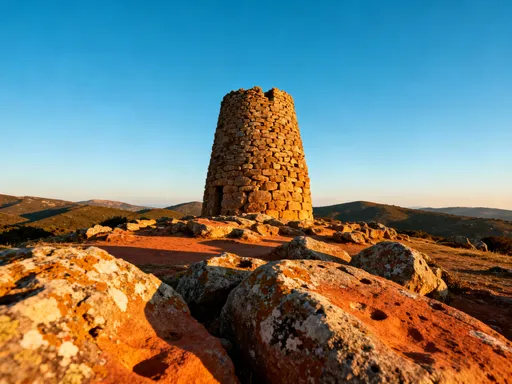
Standing like silent sentinels across Sardinia’s countryside, the nuraghi are among the most mysterious and iconic remnants of prehistoric Europe. These megalithic stone towers date back to the Bronze Age, between 1600 and 1200 BCE, and were constructed by the Nuragic civilization—a sophisticated society whose origins remain partly unknown. Over 7,000 nuraghi have been identified across the island, varying in size and complexity, yet all sharing a distinctive architectural feature: the corbelled dome, built without mortar by stacking stones in gradually narrowing layers until they meet at the top.
Constructed primarily from basalt or limestone, these towers were feats of engineering for their time. Their conical shape provided stability, while the thick walls—often more than two meters wide—offered protection from both invaders and the elements. Some nuraghi stand alone, while others form part of larger complexes that include circular dwellings, sacred wells, and defensive walls, suggesting organized communities with social hierarchies and spiritual practices. The most famous example, Nuraghe Su Nuraxi in Barumini, is a UNESCO World Heritage Site and offers the clearest glimpse into this ancient world.
Nuraghe Su Nuraxi features a central tower surrounded by four corner towers connected by curtain walls, enclosing a village of stone huts. Archaeological excavations have uncovered pottery, tools, and bronze figurines known as “bronzetti,” offering clues about daily life and religious beliefs. Scholars continue to debate the exact purpose of these structures. Some believe they served as defensive strongholds during periods of conflict. Others suggest they functioned as religious or ceremonial centers, possibly linked to water worship, given the presence of sacred wells nearby. Still, another theory posits that they were elite residences or administrative hubs for controlling agricultural lands.
Regardless of their original use, the nuraghi symbolize resilience and ingenuity. Their survival through millennia speaks to the skill of their builders and the cultural pride Sardinians feel toward this unique heritage. Today, visiting a nuraghe is not just an archaeological excursion—it’s a moment of quiet awe. Standing inside one of these ancient chambers, the air cool and still, you can almost hear the echoes of voices long gone. These towers do not merely mark the landscape; they define the soul of Sardinia.
Alghero’s Catalan Legacy in Stone and Style
On the northwest coast of Sardinia, the walled city of Alghero offers a striking contrast to the island’s prehistoric sites. Known locally as “Barceloneta” for its strong Catalan ties, Alghero was colonized by the Aragonese in the 14th century and remained under Spanish rule for over four centuries. This legacy lives on not only in the local dialect—still spoken by some residents—but also in the city’s architecture, which blends Mediterranean elegance with military pragmatism. Walking through Alghero’s old town feels like stepping into a piece of coastal Spain transplanted onto Sardinian soil.
The city’s most defining feature is its imposing ramparts, built to protect against seaborne attacks. These stone fortifications stretch along the coastline, punctuated by watchtowers and bastions. One of the most prominent, Torre di San Giovanni, stands at the entrance to the harbor, its cylindrical form rising above the sea like a guardian of the past. From the top, visitors enjoy panoramic views of turquoise waters, red-roofed buildings, and distant mountains—a vantage point that once served strategic purposes but now offers a poetic appreciation of the city’s beauty.
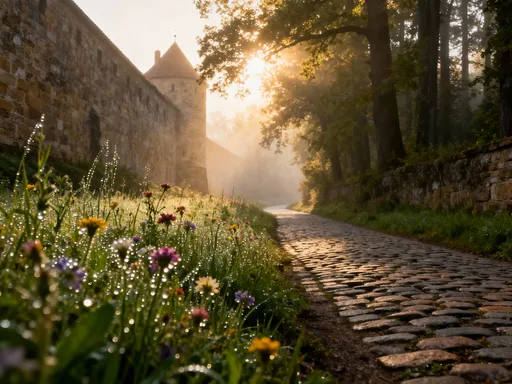
Inside the walls, narrow cobbled streets wind between tall stone houses adorned with wrought-iron balconies spilling over with geraniums. Arched doorways lead to hidden courtyards, and shuttered windows filter the golden afternoon light. The Cathedral of Santa Maria, begun in the late 14th century, exemplifies Catalan-Gothic architecture with its rose window, pointed arches, and bell tower. Inside, frescoes and altarpieces reflect centuries of devotion and artistry. While the structure has undergone restorations, its essence remains true to its origins.
What makes Alghero truly special is how its people inhabit this historic setting with pride and continuity. Families live in centuries-old homes passed down through generations, maintaining customs that blend Sardinian and Catalan traditions. Local festivals feature music, dance, and costumes that reflect this dual heritage. Restaurants serve fregola with seafood alongside Catalan-style paella, creating a culinary fusion as rich as the architecture. For the discerning traveler, Alghero offers more than picturesque streets—it offers a living culture where history is not preserved behind glass but celebrated in everyday life.
Barumini and the Timeless Appeal of Vernacular Design
At the heart of Sardinia’s architectural story lies Barumini, a quiet village whose global significance stems from the Nuraghe Su Nuraxi complex at its edge. While the nuraghe draws international visitors, the village itself offers a masterclass in vernacular architecture—design shaped by climate, materials, and tradition rather than formal plans or stylistic trends. The homes of Barumini, many of which predate the modern era, demonstrate how Sardinians have lived in harmony with their environment for generations.
Traditional houses in Barumini are built from local stone, often dry-laid without mortar, allowing for flexibility and breathability. Walls are thick, providing insulation against summer heat and winter chill. Roofs are flat, made of wooden beams covered with reeds and compacted earth, a method that predates modern construction techniques. Small windows reduce solar gain, while internal courtyards create shaded areas for cooking, socializing, and drying herbs. These design elements were not chosen for fashion but for function, refined over centuries to suit the island’s climate and rural lifestyle.
What is remarkable today is how these ancient principles are being revived in contemporary renovations. Many families in Barumini have restored their ancestral homes using traditional methods while incorporating modern comforts like plumbing, electricity, and energy-efficient insulation. The goal is not to create museum pieces but to make historic homes livable for today’s standards without losing their character. Lime-based plasters replace cement, which can trap moisture and damage old walls. Reclaimed wood is used for beams and doors, and local craftsmen are hired to preserve skills that might otherwise fade.
This respect for continuity makes Barumini a model for sustainable heritage conservation. It shows that old buildings don’t need to be abandoned or overly modernized to remain relevant. Instead, they can evolve—just as the people who live in them have done for millennia. For visitors, walking through Barumini is a lesson in quiet dignity: a reminder that beauty lies not in grandeur but in authenticity, and that the simplest structures often carry the deepest stories.
The Cave Dwellings of Castelsardo: Homes Carved from Rock
Perched on a limestone promontory overlooking the north coast, the town of Castelsardo exudes medieval charm, but beneath its well-preserved facades lies an even older story—one written in stone. Scattered around the base of the hill and tucked into the cliffs are troglodyte dwellings, ancient homes carved directly into the rock. These cave houses date back to prehistoric times and were used continuously for shelter, storage, and even animal husbandry well into the 20th century.
The choice to live in caves was not born of poverty but of practicality. Limestone is soft enough to carve yet durable over time, and the natural insulation properties of rock make these dwellings remarkably comfortable year-round. In summer, the interiors stay cool, often 10 to 15 degrees Celsius lower than outside temperatures. In winter, they retain warmth, reducing the need for heating. For early settlers and rural communities, these homes offered protection from wind, rain, and intruders, all while requiring minimal construction materials.
Over time, these cave dwellings were expanded and adapted. Doorways were framed with stone, small windows added, and interior spaces divided to create separate rooms. Some were connected by tunnels, forming small underground complexes. While most are no longer used as primary residences, many have been preserved and repurposed. Today, several serve as museums, artisan workshops, or cultural centers, allowing visitors to step inside and experience the quiet stillness of these ancient spaces.
One such site is the Museo dell’Intreccio e del Tessile, housed in a restored cave complex, where traditional weaving and basket-making are demonstrated. The cool, dim light enhances the sense of stepping back in time. These transformations honor the past without freezing it in place. They show how heritage can be both protected and put to use, offering economic opportunities for locals while educating visitors. For families exploring Castelsardo, a visit to these caves adds depth to the experience, revealing a way of life that was once common across Sardinia but is now a rare and treasured memory.
Modern Takes on Tradition: Sustainable Architecture Today
In recent decades, a quiet revolution has been unfolding in Sardinia’s countryside—one where innovation meets tradition in the realm of sustainable architecture. A growing number of architects and homeowners are turning away from generic modern designs in favor of buildings that respect local aesthetics, materials, and environmental conditions. These new homes draw inspiration from centuries-old techniques but integrate contemporary technologies to meet 21st-century standards of comfort and efficiency.
One hallmark of this movement is the use of local stone, often reclaimed from abandoned structures or sourced responsibly from quarries. Stone walls not only echo the island’s architectural heritage but also provide excellent thermal mass, absorbing heat during the day and releasing it slowly at night. Roofs are designed with overhangs to shade windows in summer, while courtyards and internal gardens promote natural ventilation. Wood from native trees like juniper and olive is used for beams, doors, and furniture, adding warmth and authenticity.
Energy efficiency is central to these designs. Passive cooling strategies—such as strategic window placement, cross-ventilation, and green roofs—reduce reliance on air conditioning. Solar panels are discreetly integrated into rooftops, and rainwater harvesting systems collect and store water for irrigation and non-potable uses. Some homes even incorporate earth-sheltered designs, partially buried into hillsides to maximize insulation and minimize visual impact on the landscape.
What makes this architectural shift meaningful is its connection to cultural identity. These homes are not pastiches of old styles but thoughtful reinterpretations that speak to a deeper respect for place and history. They reflect a desire to live well without harming the environment or erasing the past. For families considering a move to Sardinia or building a vacation home, this approach offers a model of responsible living—one that honors the island’s legacy while preparing for its future. It’s architecture with a conscience, rooted in tradition but looking forward.
How to Experience Sardinia’s Architecture Like a Local
To truly appreciate Sardinia’s architectural richness, one must move beyond the typical tourist trail and engage with the island at a human pace. The best way to do this is on foot, wandering through historic centers, village alleys, and rural paths where buildings reveal their stories not in guidebooks but in texture, shadow, and silence. The rhythm of discovery slows when you walk, allowing you to notice the curve of a stone arch, the pattern of a tiled floor, or the way sunlight falls across a courtyard at midday.
Timing matters. The ideal seasons to visit are spring (April to June) and early autumn (September to October), when temperatures are mild, crowds are smaller, and the light is soft and golden—perfect for photography and long walks. Mornings are best for exploring, as the sun is gentle and local life begins to stir: shopkeepers unlock wooden shutters, bakers pull fresh bread from ovens, and elders gather in piazzas for coffee. Late afternoons offer a second window of beauty, as the setting sun bathes stone walls in warm hues.
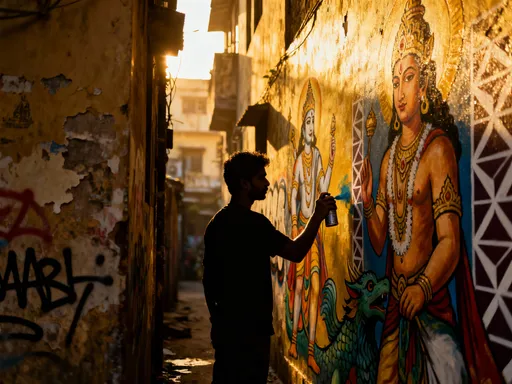
Guided tours can enhance understanding, especially at sites like Nuraghe Su Nuraxi or Alghero’s cathedral, where knowledgeable guides explain historical context and construction techniques. However, self-exploration has its own rewards. Armed with a good map and a spirit of curiosity, you can uncover hidden corners—like the village of Orgosolo, famous for its politically inspired murals painted on stone houses, or Bitti, a mountain town with ancient shepherd huts called “stazzi” dotting the surrounding hills. These places see fewer tourists but offer deeper connections to Sardinian life.
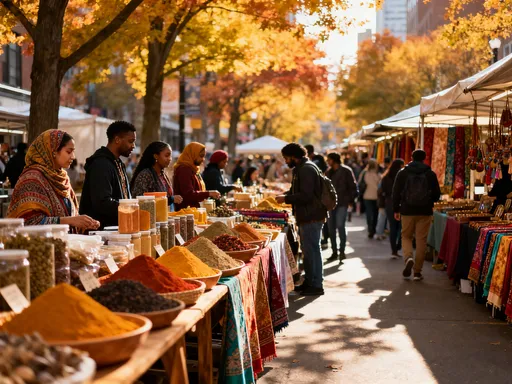
When photographing architecture, practice respect. Avoid using flash inside sacred or private spaces, and always ask permission before entering homes or courtyards. Remember that many of these buildings are not relics but lived-in spaces. The most rewarding experiences often come from human interaction: sharing a smile with a local, accepting an invitation for coffee, or joining a craft workshop where you can learn to weave, carve stone, or make traditional bread. Pairing architecture with local food markets—like the Saturday market in Olbia or the cheese stalls in Fonni—adds sensory richness to your journey.
For families, this kind of travel fosters meaningful conversations across generations. Children learn about history not through screens but through touch and exploration. Parents find renewed appreciation for craftsmanship and sustainability. And everyone gains a deeper understanding of what it means to belong to a place. Sardinia’s architecture invites this kind of engagement—not as spectators, but as respectful guests in a living tradition.
Conclusion
Sardinia’s buildings are not just relics—they’re living testaments to resilience, identity, and harmony with nature. By exploring them, travelers don’t just see history; they feel it in the cool shade of a thousand-year-old wall or the curve of a hand-laid stone arch. Choosing to engage with this heritage transforms a simple trip into a meaningful journey—one where every doorway leads to discovery. From the enigmatic nuraghi to the sun-washed alleys of Alghero, from cave homes to modern eco-houses, Sardinia offers a rare continuity between past and present. It reminds us that true beauty lies in authenticity, and that the most enduring structures are those built with care, respect, and a deep connection to the land. This is not just architecture—it is the soul of an island, waiting to be heard.