You Won’t Believe What I Ate While Wandering Meknes—Food Magic Everywhere
Wandering through Meknes feels like stepping into a living tapestry of flavors and scents. Unlike crowded tourist hubs, this Moroccan gem offers authentic moments around every corner—especially when it comes to food. From steaming tagines in hidden courtyards to spicy harira at twilight markets, I discovered that the city’s soul lives on its plates. This isn’t just dining—it’s a journey through tradition, warmth, and surprise. Every bite tells a story of family, season, and place, woven into the rhythm of daily life. In Meknes, food is not an attraction; it’s the heartbeat of the city, pulsing through alleyways, market stalls, and home kitchens where recipes have simmered for generations.
Arrival in Meknes: First Impressions of a Lived-In City
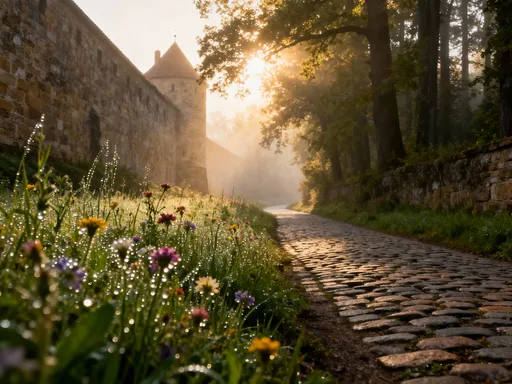
Meknes greets visitors not with fanfare, but with quiet dignity. As the train pulls into the station, the air carries a subtle blend of warm earth, cumin, and distant wood smoke. Unlike the bustling energy of Marrakech or the curated charm of Fes, Meknes unfolds at a gentler pace. Its streets are not designed for crowds but for life—children chasing soccer balls down cobbled lanes, shopkeepers sipping sweet mint tea before opening their stalls, and the occasional donkey cart rattling past with bundles of fresh herbs tied neatly with twine. This is a city that breathes, not performs.
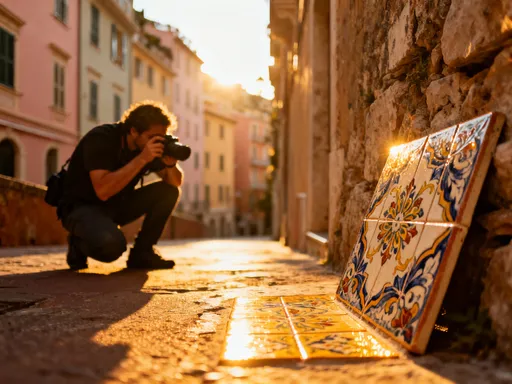
The architecture speaks of imperial ambition tempered by time. Grand gates like Bab Mansour rise with intricate zellij tilework, yet just steps away, laundry flutters from balconies above narrow alleys where neighbors exchange gossip and leftovers with equal ease. There’s no need to stage authenticity here because it’s never been lost. For travelers seeking genuine connection, especially through food, Meknes offers a rare gift: the chance to witness cuisine as it’s truly lived, not packaged for tourists. The absence of aggressive vendors and overpriced restaurants allows space to listen, observe, and ultimately, taste with intention.
What makes Meknes particularly inviting for food explorers is its balance between accessibility and obscurity. It’s large enough to have depth—weekly markets, family-run eateries, seasonal specialties—but small enough that a few days of wandering can reveal its culinary soul. You don’t need a guidebook to find good food; you need curiosity, an open palate, and the willingness to follow the scent of grilled meat or fresh bread as it drifts through the medina’s labyrinth. This city rewards slow travel, rewarding those who pause long enough to notice the rhythm of meals: breakfast at dawn, tagine at midday, and shared dishes under starlit skies.
The Heartbeat of the Medina: Where Food Meets Daily Life
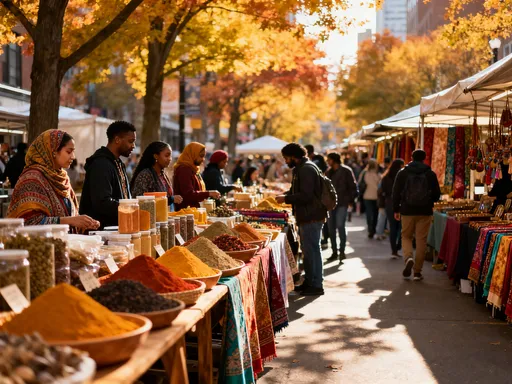
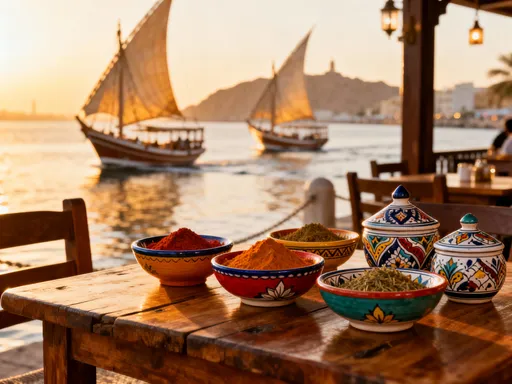
Step into the medina of Meknes, and you step into a world where food isn’t served—it lives. From the first light of morning, the old city stirs with edible rituals. Men in djellabas carry flat loaves balanced on cloth-covered trays from communal ovens, their footsteps echoing as they return home with warm khobz, the cornerstone of every Moroccan meal. Nearby, women gather at spice stalls where pyramids of saffron, cumin, and ras el hanout glow like jewels under the sun. These aren’t decorative displays; they are working palettes for daily cooking, each blend tailored to a family’s taste and season.
By mid-morning, the scent of msemen—flaky, buttery Moroccan pancakes—fills the air as vendors flip them on wide iron griddles. The process is rhythmic: stretch, fold, slap the dough onto the hot surface, then repeat. It’s a performance of skill and patience, watched closely by locals who queue with small change ready. Some eat them plain, others with honey or jam, but all recognize them as comfort food, the kind passed down from grandmother to granddaughter. In Meknes, breakfast isn’t rushed; it’s shared, often standing at a counter or sitting on a low stool, sipping sweet tea while watching the city wake.
What stands out in the medina is how seamlessly food integrates into life. There are no separate zones for dining and living—kitchens open onto streets, spice vendors double as gossip hubs, and children run errands for olive oil or fresh mint. This blending creates a culinary culture that feels natural, not theatrical. You won’t find staged cooking classes or photo ops with actors in traditional dress. Instead, you’ll see real people preparing real meals with real ingredients, their movements shaped by decades of habit. For the observant traveler, this is where the deepest understanding begins: food in Meknes isn’t an experience to consume—it’s a way of being.
Street Food Gems: What Locals Actually Eat
While guidebooks often spotlight tagine and couscous, the true pulse of Meknes’ food culture beats strongest on its streets. Here, meals are quick, flavorful, and deeply rooted in practicality. One of the most beloved street foods is the kefta sandwich—spiced ground beef or lamb, grilled over charcoal and tucked into a pocket of warm bread. What sets it apart is the seasoning: a blend of parsley, garlic, and chili that delivers a zesty kick, often topped with a smear of spicy tomato paste. Sold from simple carts near bus stops and market entrances, these sandwiches fuel workers during short breaks, eaten standing up with a napkin in one hand and optimism in the heart.
Another treasure is sellou, a rich, nutty confection made from toasted sesame seeds, almonds, and flour, sweetened with honey and sometimes scented with anise. It’s not sold in glossy shops but by elderly women in quiet corners of the market, their hands moving with practiced grace as they scoop portions into paper cones. Traditionally prepared for celebrations like births and weddings, sellou is also a source of energy during Ramadan and cold winter months. To receive a sample from one of these women is to be welcomed into a quiet tradition, one that values generosity as much as taste.
For the adventurous eater, there’s tripe soup—a dawn favorite among laborers and drivers. Simmered for hours with onions, turmeric, and fresh herbs, it’s served piping hot in chipped bowls at makeshift stalls near the old gates. It may not sound appealing to all, but its reputation for curing fatigue and warming the soul is well-earned. Locals sip it slowly, dipping bread into the broth, exchanging quiet words before heading to work. These street foods aren’t about spectacle; they’re about sustenance, community, and continuity. They represent a cuisine that feeds the body and honors the past, one humble bite at a time.
Tagine and Beyond: Inside a Traditional Home Kitchen
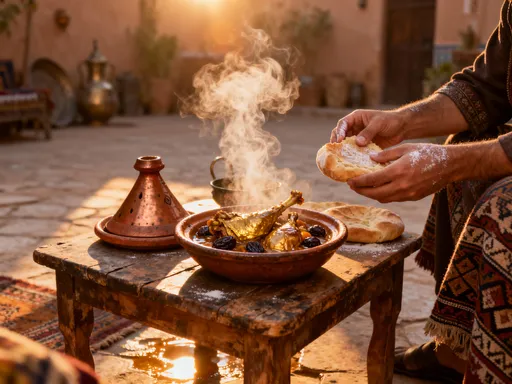
One of the most profound food experiences in Meknes comes not in a restaurant, but in a home. Through a chance conversation at a spice stall, I was invited to share a midday meal with a local family—an honor extended with quiet grace. Their kitchen, tucked behind a courtyard fragrant with jasmine, was modest but alive with activity. A large tagine pot bubbled gently over a low flame, its conical lid trapping steam and flavor. Inside, lamb shoulder simmered with prunes, cinnamon, and a hint of saffron, the meat so tender it parted at the touch of a spoon.
The preparation was unhurried, almost meditative. The hostess, Fatima, explained that the dish had been cooking since early morning, allowing the spices to deepen and the sauce to thicken naturally. She added no measurements, relying instead on instinct and memory—seasonings passed down orally from her mother and grandmother. “We don’t write recipes,” she said with a smile. “We taste, we adjust, we remember.” This approach reflects a broader truth in Moroccan cooking: tradition is preserved not in cookbooks, but in practice, in the repetition of gestures that become second nature.
When the tagine was ready, the family gathered around a low table, placing the dish at the center. We ate with our right hands, tearing pieces of khobz to scoop up the tender meat and sweet-savory sauce. Conversation flowed easily, punctuated by moments of silence as we savored each bite. The meal lasted over an hour, not because we were slow, but because we were present. There was no rush to clear the table or move on. This was not just eating; it was communion. In that room, filled with warmth and laughter, I understood that Moroccan hospitality isn’t performative—it’s fundamental. To share food is to share life, and in Meknes, that gesture carries deep meaning.
Market to Table: A Morning at Moulay Ali Market
No understanding of Meknes’ cuisine is complete without a visit to Moulay Ali Market, the city’s primary hub for fresh produce and local goods. Open every day but busiest on Thursdays and Sundays, the market is a symphony of color, scent, and sound. Vendors call out their specials—plump figs from the nearby Tafilalt region, ruby-red pomegranates, and baskets of green and black olives cured in lemon and thyme. Stalls overflow with herbs: bunches of cilantro, mint, and parsley so fresh they still glisten with morning dew.
What distinguishes this market is its authenticity. Unlike tourist-oriented souks, Moulay Ali is where Meknesi families shop. Elderly women inspect tomatoes with practiced eyes, sniffing for ripeness, while men haggle gently over the price of free-range eggs or freshly slaughtered chicken. One vendor, Ahmed, has sold olives here for over thirty years. “The soil here gives flavor no supermarket can copy,” he says, offering a sample of green olives marinated with cumin and garlic. His stall is a rainbow of jars, each representing a different curing method—some briny, others citrus-infused, all bursting with complexity.
Seasonality shapes the market’s rhythm. In spring, wild asparagus and artichokes appear; in summer, peaches and melons dominate; in autumn, grapes and figs spill from crates. This connection to the land ensures that home cooking in Meknes remains deeply tied to nature’s cycles. Ingredients are not chosen for convenience but for peak freshness and regional pride. When you eat in Meknes, you’re not just tasting a dish—you’re tasting the season, the soil, and the care of those who grew and prepared it. The market is more than a place to shop; it’s the foundation of a food culture built on respect, knowledge, and community.
Hidden Eateries: Finding Authenticity Off the Beaten Path
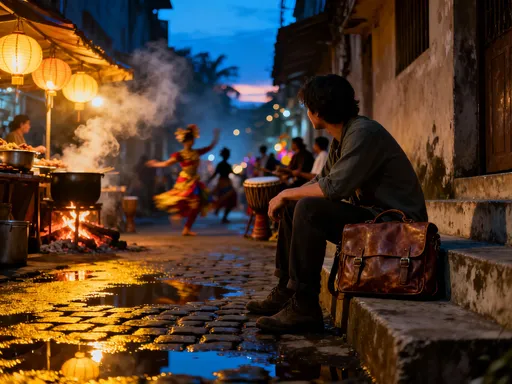
While some travelers rely on apps and rankings, the best meals in Meknes are often found by accident—or by asking the right questions. One afternoon, following the scent of wood smoke, I stumbled upon a tiny café tucked behind the old ramparts. From the outside, it was unremarkable: a blue door, a faded awning. But inside, a terrace opened onto a view of crumbling walls bathed in golden light. An old man served mint tea in tall glasses, the leaves swirling as he poured from a height to create foam. No menu, no prices listed—just tea, bread, and quiet conversation.
Another discovery was a family-run grill house near the train station, known only to locals. There, sardines were butterflied and grilled over almond wood, their skin crisp and smoky, served with a wedge of lemon and a side of chermoula. The owner, Karim, cooked everything himself, refusing to expand or advertise. “If people find us,” he said, “they’re meant to eat here.” His philosophy reflects a broader truth: in Meknes, authenticity isn’t marketed—it’s protected. The best places often have no sign, no website, and no English menu. They survive not on tourism, but on loyalty.
To find these spots, one must wander without agenda. Put the phone away, let go of the map, and allow yourself to get slightly lost. Smile at shopkeepers, accept invitations to tea, and don’t fear pointing at something on a counter and saying, “What is this?” The polished restaurants near main squares may offer comfort, but they often serve reheated dishes with little soul. The real magic lies in the unmarked doors, the shared tables, the moments when a stranger becomes a host. In Meknes, the path to great food is not paved—it’s paved with curiosity.
Taste as Memory: Why Food Defines the Travel Experience
Years from now, I may forget the exact shade of blue on a mosque tile or the name of a particular street. But I will remember the taste of warm bread dipped in golden olive oil, the sweetness of a fig eaten under a fig tree, the warmth of tea shared with a woman who spoke no English but smiled as if we’d known each other for years. These moments, anchored in flavor, become the true souvenirs of travel. They are not bought; they are lived.
Food has a unique power to connect us—to places, to people, to ourselves. In Meknes, where meals are slow, shared, and steeped in tradition, that connection is palpable. Eating here is not about novelty or thrill-seeking; it’s about presence. It’s about sitting at a table where generations have gathered, using your hands as your ancestors did, and tasting a dish that carries centuries of care. This is not tourism; it’s participation.
For women travelers, especially those in their thirties to fifties, Meknes offers a rare kind of nourishment—one that speaks to the heart as much as the stomach. It’s a place where kindness is served daily, where age is respected, and where the simple act of breaking bread can dissolve barriers. To eat like a local is not to perform; it’s to belong, even if only for a meal. And in a world that often feels rushed and disconnected, that sense of belonging is a quiet revolution.
To travel with hunger—real, open, respectful hunger—is to arrive ready. Not with a checklist, but with wonder. In Meknes, the food doesn’t shout. It whispers. And if you listen closely, it will tell you everything you need to know.