You Won’t Believe These Wild Shots I Got in Johannesburg’s Hidden Nature Spots
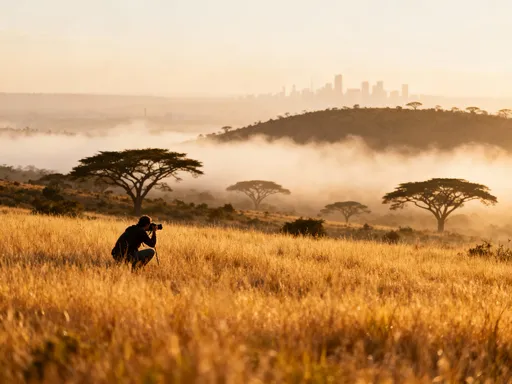
Johannesburg isn’t just malls and city lights—trust me, I was shocked too. Tucked behind the urban buzz are wild, untouched natural spaces begging to be photographed. I grabbed my camera and discovered landscapes so vivid—the golden grasslands, sudden antelope sightings, misty morning light—they felt like another world. If you’re chasing real, raw beauty with your lens, this city’s green heart will blow you away. What surprised me most wasn’t just the proximity of wilderness to downtown, but how deeply peaceful these places felt. In a world where cities often seem to swallow nature whole, Johannesburg quietly holds space for both. This is a city where you can sip coffee in a leafy suburb and, within half an hour, stand atop a ridge watching the sun rise over untouched veld. For photographers seeking authenticity, these hidden green zones offer not just stunning visuals, but a chance to reconnect with the quiet pulse of the earth.
Reimagining Johannesburg: Beyond the Urban Myth
Johannesburg has long carried the reputation of a concrete jungle—a city shaped by mining, commerce, and rapid urban expansion. Yet beneath that surface lies a different truth, one confirmed by satellite mapping and ecological surveys: over 20% of the city’s land area is dedicated to open green space, much of it protected or under conservation management. These aren’t just manicured parks or suburban gardens. They are functioning ecosystems—grasslands, wetlands, and rocky ridges—that host indigenous flora and fauna. The city’s elevation, sitting at nearly 1,800 meters above sea level, contributes to its unique biome, often referred to as the Highveld. This high-altitude grassland ecosystem supports diverse plant life, including red grass, wild garlic, and the iconic protea, all thriving within minutes of bustling neighborhoods like Sandton and Rosebank.
What makes Johannesburg’s natural reserves so accessible is their integration into the urban fabric. Unlike national parks that require long drives or overnight stays, many of these green spaces are just 20 to 30 minutes from the city center. This proximity allows for spontaneous weekend outings or even early morning photo excursions before the workday begins. Places like the Klipriviersberg Nature Reserve stretch across southern Johannesburg, forming a green spine that follows the Klip River. From above, it appears as a lush ribbon cutting through suburbs, offering not only habitat for wildlife but also a vital corridor for ecological movement. Local conservation reports from the Johannesburg City Parks and Zoo department highlight ongoing efforts to restore degraded areas, remove invasive species, and expand public access—all signs of a growing recognition that nature is not separate from the city, but part of its identity.
The shift in perception is already underway. More residents are discovering that Johannesburg’s soul isn’t just in its galleries, markets, or skyscrapers, but in the quiet rustle of grass in the wind, the distant call of a grey loerie, or the sudden flash of a dassie darting between rocks. For photographers, this means an abundance of untapped visual stories. The contrast between urban life and wild serenity creates a compelling narrative—one that challenges stereotypes and invites deeper exploration. By reframing Johannesburg not as a city that lacks nature, but as one that embraces it in unexpected ways, we open the door to a richer, more balanced understanding of what modern African cities can be.
Top Natural Reserves for Photographic Magic
For those with a camera in hand, Johannesburg’s protected reserves offer some of the most rewarding photographic opportunities in southern Africa. Among the most celebrated is the Walter Sisulu National Botanical Garden, located in Roodepoort, just 30 kilometers west of the city center. Managed by the South African National Biodiversity Institute (SANBI), this 300-hectare reserve is a haven for both plant and animal life. Its centerpiece is the Witpoortjie Waterfall, which cascades over quartzite cliffs and creates a dramatic backdrop, especially during golden hour when the late afternoon light catches the mist rising from the pool below. The surrounding cliffs are home to a breeding pair of black eagles, whose soaring flights provide dynamic action shots against the vast sky.
Another standout destination is the Suikerbosrand Nature Reserve, situated south of the city near Henley on Klip. Spanning over 6,000 hectares, this rugged terrain features rolling hills, deep kloofs, and ancient rock formations that date back over 2 billion years. The reserve’s name, derived from the Afrikaans for “sugar bush ridge,” refers to the abundance of proteas that bloom in spring, creating a painterly landscape of pink and crimson. Photographers visiting in late winter and early spring (August to October) are rewarded with vibrant floral displays and increased animal activity. The reserve is home to eland, blesbok, and even the occasional caracal, though these are more often seen at dawn or dusk. The high vantage points along the trails offer panoramic views perfect for wide-angle compositions, while the narrow gorges provide intimate scenes of moss-covered rocks and dappled sunlight.
For a more intimate experience, the Rietvlei Nature Reserve on the city’s northern edge provides excellent opportunities for bird and landscape photography. This 4,000-hectare area surrounds a large dam and wetland system that attracts over 250 bird species, including the African fish eagle, grey heron, and the striking pink-backed pelican. Early mornings here are particularly magical, when the lake is still and the first light reflects off the water like a mirror. The reserve’s well-maintained dirt roads allow for easy access by car, making it ideal for photographers who prefer to work from a vehicle or set up tripod stations along the shoreline. All of these reserves are officially protected under the Gauteng Conservation Authority, ensuring that their ecosystems remain intact for future generations to enjoy and document.
Chasing Light: Best Times and Weather Tips
Photographing Johannesburg’s natural landscapes is as much about timing as it is about technique. The city’s high-altitude climate plays a crucial role in determining image quality. With thin air and low humidity, sunlight here is crisp and intense, especially during midday. While this can create harsh shadows and blown-out highlights, the early and late hours offer some of the most beautiful lighting conditions in the country. Sunrise and sunset, known as the golden hours, last longer at this elevation, providing photographers with extended windows of soft, warm light. During winter months (May to August), the skies are typically clear, and the air is at its cleanest, resulting in exceptional visibility and vibrant colors in both land and sky.
One of the most striking weather phenomena in the region is the morning mist that rolls through valleys and settles in low-lying areas. This occurs most frequently after overnight rain, when cool air meets moist ground. At Suikerbosrand or Rietvlei, this can transform an ordinary landscape into something ethereal—tree silhouettes emerging from fog, distant hills fading into soft gradients. Capturing these moments requires preparation: arriving well before sunrise, dressing warmly, and having equipment ready to shoot in low light. A tripod is essential during these times, as shutter speeds often drop below 1/30th of a second. Additionally, using a polarizing filter can help manage glare on wet surfaces and deepen the contrast between sky and land.
Photographers should also be prepared for Johannesburg’s unpredictable afternoon thunderstorms, especially during the summer months (October to March). While these can disrupt plans, they also create dramatic lighting conditions. The fast-moving clouds cast shifting shadows across the veld, and the brief bursts of rain are often followed by brilliant sunbreaks and even rainbows. The South African Weather Service confirms that these patterns are consistent and predictable enough to plan around. Checking daily forecasts before heading out can help photographers time their visits to coincide with optimal conditions. By understanding and embracing the region’s climate, rather than fighting it, photographers can turn weather into a creative ally.
Wildlife in Frame: Capturing Natural Behavior
One of the most rewarding aspects of photographing Johannesburg’s reserves is the chance to witness wildlife in their natural habitats. While the city is not a safari destination, it hosts a surprising variety of animals that have adapted to life on the urban fringe. Vervet monkeys are commonly seen in areas like Walter Sisulu, where they move through the trees with playful agility. Klipspringers, small antelope adapted to rocky terrain, can be spotted at Suikerbosrand, often perched on boulders at dawn. Birdlife is especially abundant, with species like the black eagle, fiscal shrike, and cape robin-chat offering compelling subjects for both behavior and portrait photography.
The key to capturing authentic moments lies in patience and respect. Local environmental agencies, including SANParks and the Gauteng Department of Agriculture and Rural Development, emphasize ethical wildlife photography practices. These include maintaining a safe distance, avoiding sudden movements, and never attempting to lure or feed animals. Using a zoom lens—typically 200mm or longer—allows photographers to get close-up shots without disturbing the subjects. Many successful images come not from chasing animals, but from waiting quietly in one spot, letting the scene unfold naturally. Visitor logs from Walter Sisulu, for example, recount moments like a jackal trotting across a path at first light, or a pair of sunbirds hovering at a protea bloom—scenes that can’t be staged, but are achievable through stillness and observation.
It’s also important to recognize that wildlife behavior changes with the seasons. In winter, animals are more active during the day to conserve energy, making mid-morning an ideal time for sightings. In summer, many creatures retreat to shade during the heat, becoming more active in the cooler early and late hours. By aligning visits with these natural rhythms, photographers increase their chances of capturing genuine, unposed behavior. These images do more than fill a portfolio—they tell stories of resilience, adaptation, and the quiet coexistence of nature and city life.
Gear That Works: Simple Setups for Big Results
Photographing Johannesburg’s natural landscapes doesn’t require an expensive professional kit. Many of the best images come from photographers using accessible, well-chosen gear. A lightweight DSLR or mirrorless camera is ideal for long walks and early starts. Models like the Canon EOS R10 or Nikon Z50 offer excellent image quality, fast autofocus, and compact size, making them perfect for spontaneous trips. For lenses, a versatile zoom such as a 70–300mm provides the range needed for both wide landscapes and distant wildlife. This single lens can handle everything from a sweeping vista of the Highveld to a close-up of a bird in flight.
A sturdy tripod is another essential, especially for low-light conditions at dawn or in misty valleys. Carbon fiber tripods, while more expensive, offer a good balance of strength and portability. For those on a budget, aluminum models from brands like Manfrotto or Benro provide reliable support without breaking the bank. Other practical accessories include extra batteries—cold mornings drain power quickly—spare memory cards, and a basic rain cover to protect equipment during sudden showers. Backpacks designed for photography, with padded compartments and easy access, help keep gear organized and safe during hikes.
Smartphone photography has also advanced significantly, and even without a dedicated camera, travelers can capture stunning images. Modern phones offer excellent dynamic range, portrait modes, and night settings that work well in natural environments. Using a small clip-on lens or a portable tripod can further enhance results. The goal isn’t technical perfection, but emotional truth—images that convey the feeling of standing in a quiet valley, the wind in the grass, the light on the rocks. With thoughtful preparation and the right tools, even amateur photographers can return with shots that rival professional work.
Responsible Shooting: Respecting Nature and Rules
With the privilege of access comes the responsibility to protect. Johannesburg’s natural reserves are not just scenic backdrops—they are living ecosystems that support biodiversity and provide vital services like water filtration and carbon sequestration. All protected areas operate under strict regulations designed to minimize human impact. Visitors are required to stay on marked trails, which prevents soil erosion and protects fragile plant life. Feeding or approaching wildlife is strictly prohibited, as it disrupts natural behaviors and can lead to dependency or aggression.
One of the most important rules concerns drones. While aerial photography can yield breathtaking perspectives, unmanned aircraft are not permitted in most reserves without a special permit from the South African Civil Aviation Authority (SACAA) and the managing conservation body. This restriction exists to prevent disturbance to birds, especially raptors like the black eagle, which are sensitive to noise and movement overhead. Even without a drone, photographers can achieve stunning compositions by using elevated viewpoints or wide-angle lenses to create a sense of scale.
The “leave no trace” principle is central to ethical photography. This means packing out all trash, avoiding the use of flash in sensitive areas, and refraining from picking plants or moving rocks for a better shot. Many photographers now adopt a conservation mindset, using their images to raise awareness about environmental issues. By sharing photos on social media with accurate location tags and responsible captions, they help promote sustainable tourism and support local conservation efforts. Ultimately, the most powerful image is one that inspires others to visit—not to take, but to protect.
Why These Places Matter: Connecting Through the Lens
Photographing Johannesburg’s hidden nature spots is about more than capturing beautiful images—it’s about forging a deeper connection to place and purpose. In a fast-moving world, these green spaces offer a rare opportunity to slow down, observe, and reflect. They remind us that nature is not something遥远 or exotic, but something present, resilient, and worthy of attention. Every photograph taken in these reserves becomes a small act of witness: a record of what exists, what thrives, and what must be preserved.
For families, these outings provide meaningful experiences away from screens and schedules. Children learn to identify birds, track animal prints, and appreciate the quiet beauty of a dew-covered spiderweb. For adults, especially women managing busy households, these moments in nature offer mental clarity and emotional renewal. Studies have shown that time spent in green spaces reduces stress and improves mood—a benefit that resonates deeply with caregivers and homemakers who often put their own needs last.
By sharing these images, photographers contribute to a growing appreciation for urban nature. They challenge the notion that conservation is only for remote wilderness areas, showing instead that protected spaces within cities are equally vital. Johannesburg’s reserves are not just recreational—they are ecological lifelines, water catchments, and climate regulators. They are also cultural spaces, where people of all backgrounds come to walk, meditate, and find peace.
The call to action is simple: pick up your camera, step outside, and explore. Let your lens guide you to the quiet corners of the city where nature still breathes freely. Shoot with intention, with respect, and with love. Let your photos tell a story—not just of beauty, but of belonging. Because when we see these places clearly, we are more likely to protect them. And in protecting them, we protect a part of ourselves.